
Blogs, Pajamas Set Blogs
What to wear to bed: 7 pajama set tips for better sleep
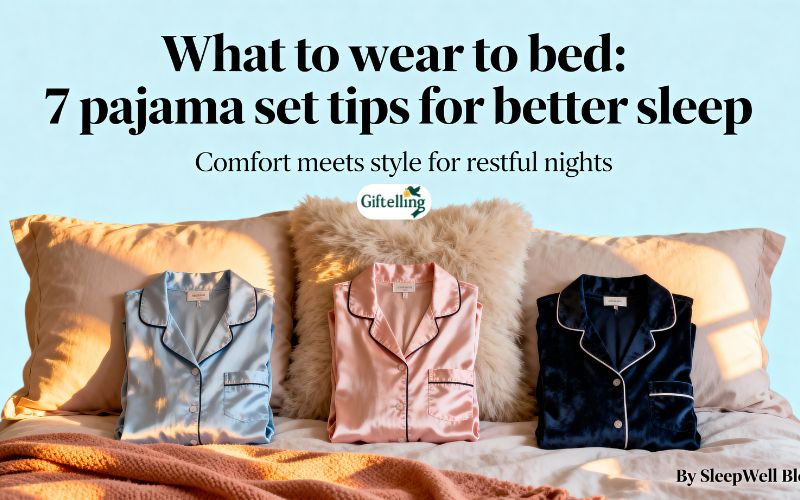
Choosing the right pajama set dramatically affects how quickly you fall asleep, how often you wake during the night, and how refreshed you feel each morning. The best pajamas for better sleep combine breathable fabrics, proper fit, and temperature-appropriate design. This guide reveals expert sleepwear tips to help you select pajamas that genuinely enhance rest quality and overall health.
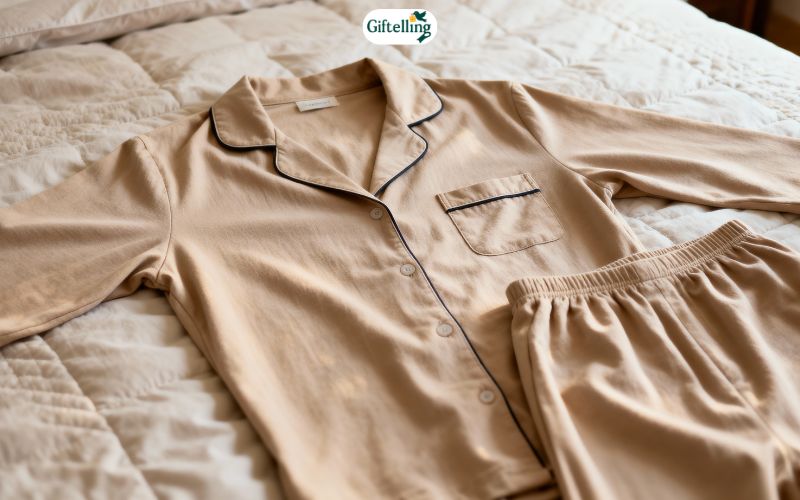
Understanding the sleep-sleepwear connection
What you wear to bed influences your body’s ability to maintain optimal sleeping temperature, directly impacting sleep quality and duration. Your core body temperature naturally decreases by one to two degrees Fahrenheit during sleep, signaling your brain to initiate rest processes. Sleepwear that supports this temperature drop promotes faster sleep onset and more time in deep, restorative sleep stages.
Research in sleep science demonstrates that skin temperature between 87-91°F optimizes sleep quality. Pajamas for better sleep help maintain this range by facilitating heat dissipation without causing chilling. Materials that trap excessive heat or fail to wick moisture interfere with thermoregulation, causing micro-arousals that fragment sleep even when you don’t consciously wake.
The psychological component of sleepwear also matters significantly. Dedicated sleep clothing creates clear boundaries between waking and sleeping hours, conditioning your brain to recognize bedtime. This mental association with specific garments triggers relaxation responses that prepare your body for rest, making quality sleepwear both a physical and psychological sleep aid.
Prioritize breathable natural fabrics
Natural fibers like cotton, bamboo, silk, and modal offer superior breathability compared to synthetic materials, making them ideal for sleep. These fabrics feature microscopic spaces between fibers that allow air circulation around your skin, preventing heat buildup while wicking away moisture. Cotton remains the most popular choice, providing excellent balance between breathability, affordability, and easy care.
Bamboo fabric excels at moisture management, pulling sweat away from skin up to three times faster than cotton. This property makes bamboo particularly valuable for hot sleepers or those experiencing night sweats. The fabric’s natural antimicrobial qualities also resist odor and bacterial growth, keeping sleepwear fresher between washes.
Silk provides luxury while offering remarkable temperature regulation that works year-round. Despite its delicate appearance, silk maintains comfortable body temperature in both warm and cool conditions. The smooth surface reduces friction against skin and hair, providing beauty benefits alongside sleep comfort. For those seeking sustainable options, organic cotton and Tencel lyocell combine environmental responsibility with exceptional comfort properties.
Avoiding problematic synthetic materials
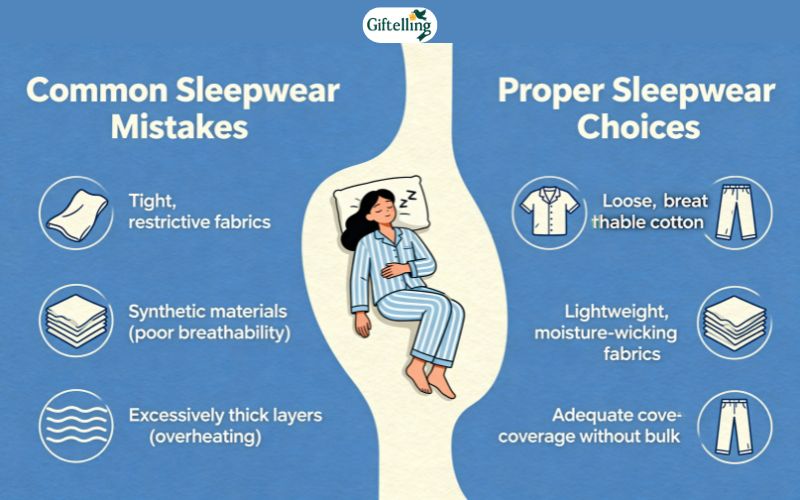
Synthetic fabrics like standard polyester often trap heat and moisture against skin, creating discomfort that disrupts sleep. While some performance synthetics engineered for athletic wear manage moisture effectively, traditional synthetic sleepwear generally lacks the breathability necessary for comfortable sleep. These materials can cause overheating, clamminess, and increased restlessness throughout the night.
Individuals with sensitive skin frequently experience irritation or allergic reactions to synthetic fibers and their chemical treatments. Natural materials rarely cause these issues, making them safer choices for extended skin contact during eight hours of sleep. If you prefer synthetic blends, look for high natural fiber content with only small percentages of synthetics added for stretch or durability.
>>> See more: Top 10 pajama set trends for 2025-2026
Choose appropriate weight for your climate
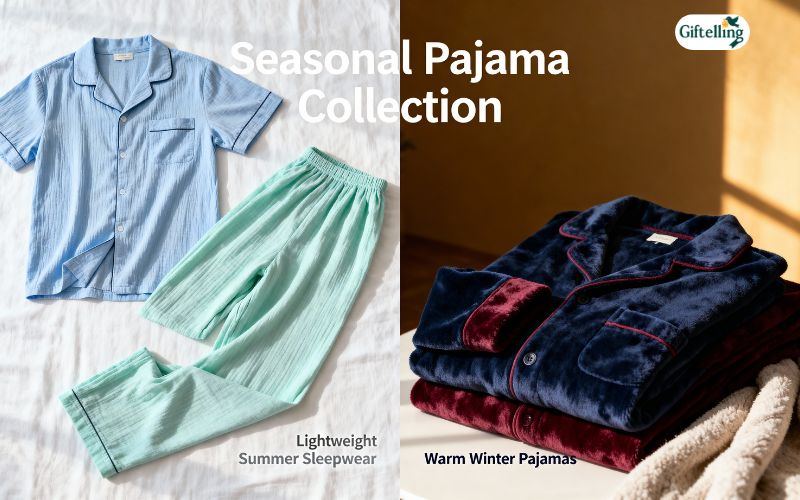
Pajama weight should match both your bedroom temperature and personal thermoregulation tendencies for optimal comfort. Lightweight fabrics under 150 GSM (grams per square meter) work best in warm environments or for naturally hot sleepers. These thin materials allow maximum airflow while providing modest coverage, preventing overheating that fragments sleep.
Medium-weight pajamas between 150-200 GSM serve as versatile year-round options in moderate climates. This weight category provides enough substance to feel substantial without excessive warmth, adapting reasonably well to seasonal temperature variations. Most standard cotton pajama sets fall into this medium-weight range, offering balanced comfort for average sleeping conditions.
Heavyweight sleepwear over 200 GSM provides cozy warmth for cold environments or individuals who naturally sleep cold. Flannel cotton, brushed jersey, and fleece-lined options trap body heat effectively while maintaining breathability. However, even cold sleepers should avoid excessive weight that causes overheating, as temperature fluctuations during sleep prove more disruptive than consistently cool conditions.
Seasonal sleepwear strategies
Building a seasonal sleepwear wardrobe ensures year-round comfort as temperatures change throughout the year. Summer pajamas should prioritize lightweight, moisture-wicking fabrics in loose-fitting styles with short sleeves and shorts. Consider linen or lightweight cotton that feels cool against skin and dries quickly if you perspire during warm nights.
Winter sleepwear benefits from insulating materials like flannel or brushed cotton that trap warmth without excessive bulk. Long sleeves and full-length pants provide coverage that retains body heat in cold bedrooms. Layering options work well too, pairing lighter weight tops with warmer bottoms or vice versa to customize temperature control for different body zones.
Ensure proper fit without restriction
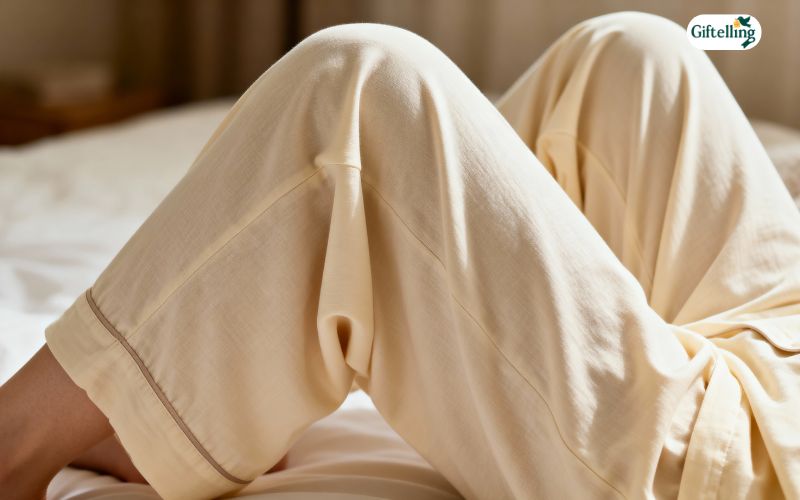
Pajamas should fit loosely enough to allow unrestricted movement during sleep without being so baggy they bunch or twist uncomfortably. Restrictive sleepwear impedes circulation, causes pressure points, and limits the position changes that occur naturally during healthy sleep. Conversely, excessively loose clothing creates fabric bunching that disrupts comfort and pulls you toward wakefulness.
Pay particular attention to waistband design and fit. Elastic should be wide and soft, distributing pressure evenly without digging into skin or leaving marks. Drawstring closures offer adjustability that accommodates weight fluctuations and personal preference. Avoid pajamas with tight elastic that creates constriction, as this impedes blood flow and lymphatic drainage during rest.
Consider sizing up if you’re between sizes or prefer roomier sleepwear. Many people find that slightly oversized pajamas feel more comfortable than form-fitting options, particularly for sleep when restriction becomes especially noticeable. However, avoid sizing up so much that excess fabric creates tripping hazards or bunches excessively beneath your body weight.
Addressing different body proportions
Separate pajama tops and bottoms allow you to select different sizes for upper and lower body, ensuring proper fit everywhere. Many people require different sizes for tops and bottoms due to natural body proportions, and matched sets force uncomfortable compromises. Buying separates costs slightly more initially but delivers superior comfort that significantly impacts sleep quality.
Look for styles with adjustable features like drawstrings, elastic with button adjustments, or tie closures that customize fit. These elements accommodate body changes from weight fluctuations, bloating, or medical conditions without requiring entirely new sleepwear. Adjustability also helps sleepwear remain comfortable as it naturally relaxes with washing and wearing over time.
Minimize irritating details and embellishments
Quality sleepwear features flat-seam construction that eliminates raised ridges pressing against skin throughout eight hours of contact. Traditional seams create pressure points and friction areas that cause subtle discomfort, potentially disturbing sleep through persistent low-level irritation. Flat seams lie completely smooth, remaining imperceptible even during sleep movements and position changes.
Tags represent a common source of neck and back irritation that many people endure unnecessarily. Sleepwear tips from sleep experts consistently emphasize choosing tagless designs or removing tags immediately after purchase. Quality manufacturers either print sizing information directly on fabric or use dissolvable tags that wash away completely, eliminating this persistent irritation source.
Avoid pajamas with buttons, snaps, or zippers positioned where they’ll press into your body during sleep. Front closures should feature smooth, flat buttons rather than bulky ones. Back zippers create pressure points when lying supine. Decorative elements like appliqués, sequins, or rough embroidery feel increasingly irritating as you spend hours in contact with them, making simple, smooth designs preferable for sleep comfort.
Considering sensory sensitivities
Individuals with sensory processing sensitivities require especially smooth, soft fabrics without textures or details that trigger discomfort. Seek out ultra-soft materials like modal, microfiber, or high-quality jersey knit that feel gentle against skin. Some people benefit from seamless pajamas specifically designed to eliminate all potential irritation points, though these remain less common in mainstream sleepwear.
Washing new pajamas several times before wearing them for sleep helps soften fabrics and remove manufacturing residues that may irritate sensitive skin. Use fragrance-free, hypoallergenic detergent and skip fabric softeners that leave coating residues. These extra preparation steps maximize comfort for those with heightened sensitivities or skin conditions like eczema.
Match coverage to personal preference and climate
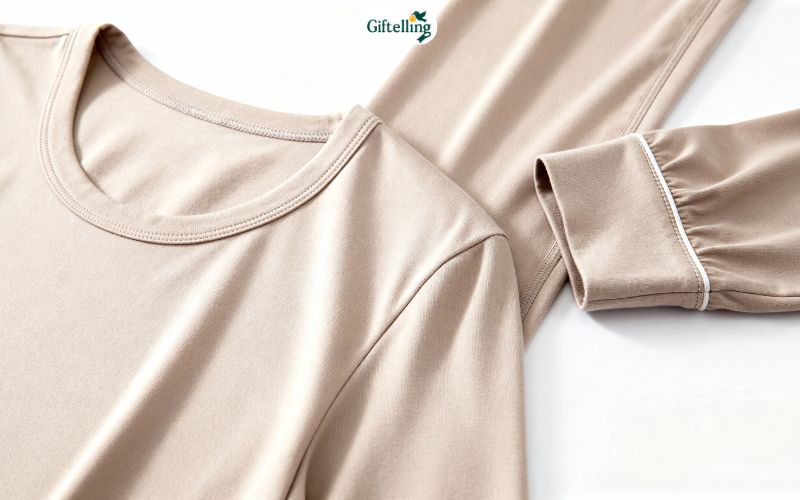
Sleeve length and pant style should align with both room temperature and personal comfort preferences for optimal sleep. Short-sleeve tops and shorts work well for warm sleepers or climate-controlled bedrooms maintaining temperatures above 70°F. This minimal coverage allows maximum heat dissipation while still providing the psychological and hygienic benefits of wearing dedicated sleepwear.
Long-sleeve tops and full-length pants suit cold sleepers or bedrooms kept at recommended sleeping temperatures of 60-67°F. The additional coverage retains body heat effectively without requiring heavy fabrics that might cause overheating. Many people find that covering extremities—hands and feet—particularly helps them fall asleep faster, as peripheral warming triggers sleep onset mechanisms.
Three-quarter sleeves and capri-length pants offer middle-ground options that balance coverage with cooling. These lengths work particularly well during seasonal transitions when temperatures vary unpredictably. The partial coverage prevents both overheating and excessive chilling, adapting to moderate temperature fluctuations throughout the night.
Cultural and personal modesty considerations
Coverage preferences often reflect cultural backgrounds, religious practices, or personal modesty comfort levels beyond pure temperature needs. Some individuals feel psychologically uncomfortable in minimal sleepwear regardless of temperature, and this mental discomfort can itself disrupt sleep. Choose coverage that makes you feel secure and appropriate, as psychological comfort proves as important as physical comfort for quality rest.
Households with children or shared spaces may require more modest coverage for practical reasons. Full-coverage pajama sets provide comfort for nighttime household movement without concern about appropriate dress. This practical consideration removes one potential source of stress or self-consciousness that could interfere with relaxation necessary for sleep.
Establish a consistent sleepwear routine
Wearing dedicated sleep clothing signals your brain to initiate relaxation processes, becoming a powerful component of consistent bedtime routines. This conditioning effect, sometimes called stimulus control therapy, associates specific clothing with sleep states. Over time, the simple act of changing into pajamas triggers physiological changes including decreased alertness, slower heart rate, and mental transition toward rest.
Consistency strengthens this psychological association, making the routine more effective over weeks and months. Change into your pajamas at approximately the same time each evening as part of a wind-down routine. This predictability helps regulate your circadian rhythm, improving sleep onset timing and overall sleep quality through better alignment with natural biological rhythms.
Keep sleepwear exclusively for sleep rather than wearing pajamas during daytime lounging. This clear boundary maintains the strong psychological connection between these specific garments and sleep. When you reserve certain clothing only for rest, your brain receives clearer signals about when sleep time approaches, supporting faster and more reliable sleep onset.
>>> Explore more: Cute vs minimal pajamas: 5 ways to choose yours
Creating a complete bedtime ritual
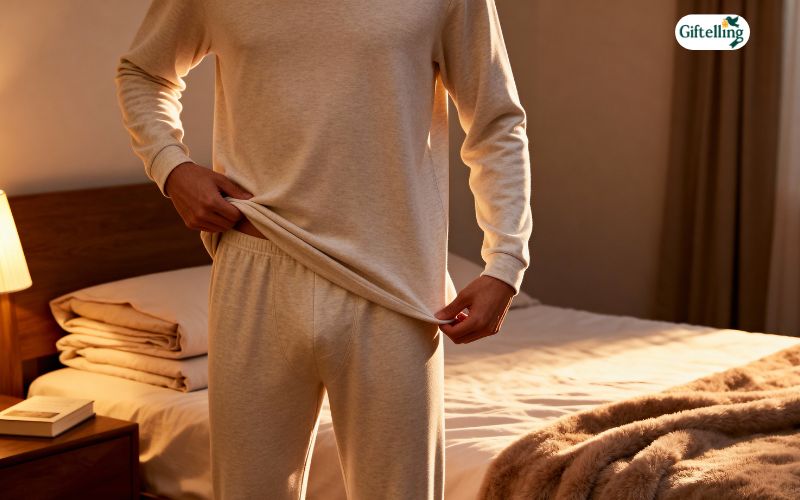
Changing into pajamas works most effectively as one component within a broader bedtime routine including other relaxing activities. After donning sleepwear, engage in calming activities like reading, gentle stretching, or meditation. This multi-step ritual provides increasingly strong sleep onset cues as your brain learns to associate the entire sequence with rest.
The order matters less than consistency. Some people prefer changing into pajamas immediately after dinner, while others wait until just before bed. Experiment to find timing that feels natural and sustainable long-term. The goal is creating a personal routine you’ll maintain consistently, as regularity delivers the conditioning benefits that improve sleep quality.
Maintain proper sleepwear hygiene
Washing pajamas after every three to four wears prevents bacterial buildup, odor development, and skin irritation from accumulated body oils. During sleep, you shed dead skin cells, perspire, and transfer natural body oils to fabric. This accumulation creates environments where bacteria and fungi thrive, potentially causing acne, body odor, or skin infections if sleepwear isn’t washed regularly.
Hot sleepers or those who perspire heavily should wash pajamas more frequently, potentially after each use. Clean sleepwear feels more comfortable and contributes to better sleep hygiene overall. The psychological comfort of fresh, clean clothing also promotes relaxation, while wearing dirty pajamas may create subtle discomfort that interferes with rest quality.
Use gentle, fragrance-free detergents that won’t irritate skin during prolonged contact. Harsh chemicals or strong fragrances can cause reactions in sensitive individuals, particularly given the eight hours of close skin contact during sleep. Skip fabric softeners that leave coating residues potentially irritating to skin or reducing fabric breathability.
Proper care extends sleepwear life
Following fabric-specific care instructions maintains comfort properties and extends pajama lifespan significantly. Wash in cold or warm water to prevent shrinkage and preserve elastic integrity. Hot water breaks down elastic fibers and causes natural fabrics to shrink, reducing both fit and comfort over time.
Air dry or tumble dry on low heat settings to protect fabric structure and maintain softness. High heat damages elastic, causes excessive shrinkage, and breaks down moisture-wicking treatments in performance fabrics. Turn pajamas inside out before washing to protect outer surfaces from abrasion and preserve colors. These simple care steps ensure your pajamas for better sleep maintain their beneficial properties through years of regular use.
Invest in multiple sets for rotation
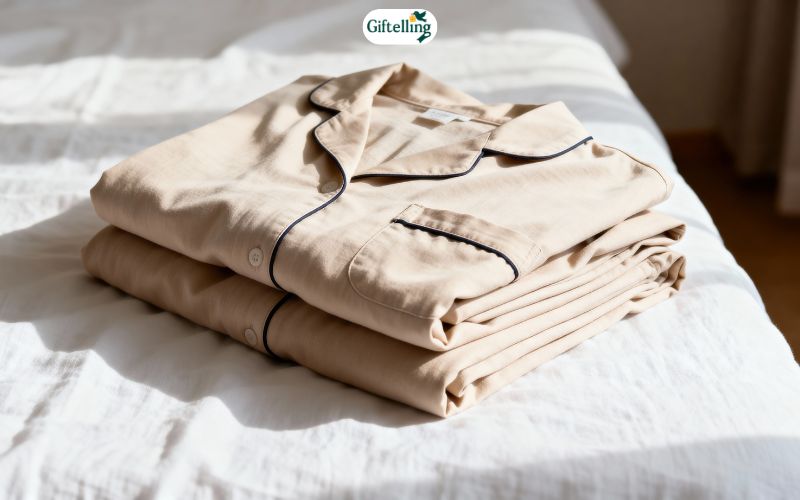
Owning at least three to four pajama sets allows proper rotation, ensuring you always have clean sleepwear available without rewearing between washes. This rotation prevents overwearing individual sets, which accelerates fabric degradation and reduces comfort. Multiple sets also accommodate washing schedules, so you never face the choice between dirty pajamas or sleeping in day clothes.
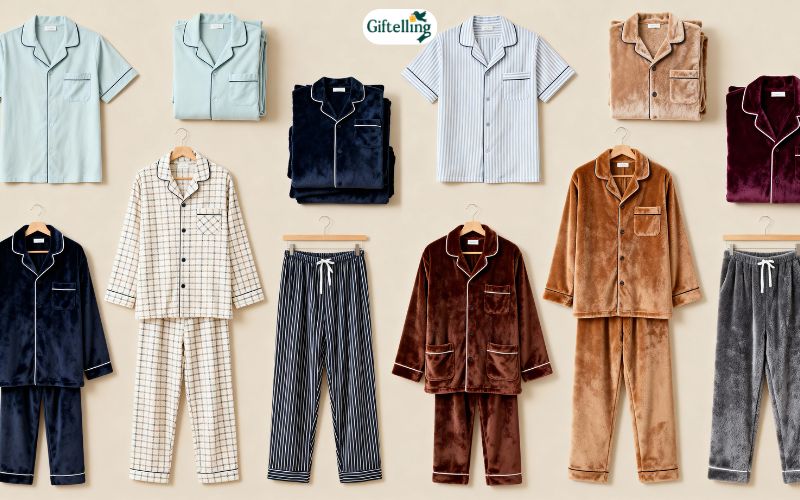
Having variety supports the seasonal and temperature flexibility important for year-round comfort. Your collection might include lightweight summer sets, medium-weight transitional options, and warm winter pajamas. This diversity ensures appropriate sleepwear always available regardless of weather changes or indoor temperature fluctuations.
Multiple sets also allow you to retire worn pajamas without immediately replacing them, avoiding gaps in your sleepwear wardrobe. When one set begins losing comfort through thinning fabric or stretched elastic, you continue using others while shopping for replacements thoughtfully rather than desperately purchasing whatever’s immediately available.
Building a functional sleepwear wardrobe
Start with versatile medium-weight options suitable for most conditions, then add specialized pieces for temperature extremes. A practical basic wardrobe includes two to three cotton or bamboo sets for regular use, one lightweight set for warm weather, and one heavier set for cold conditions. This five-piece foundation covers most sleeping situations effectively.
As budget allows, expand your collection with specialty items like silk for luxury occasions, moisture-wicking sets for hot summer nights, or ultra-cozy flannel for winter comfort. Quality matters more than quantity—three excellent pajama sets provide better value than ten poor-quality options that quickly lose comfort and require frequent replacement.
Consider special features for enhanced comfort
Moisture-wicking technology actively pulls sweat away from skin and disperses it across fabric surfaces for rapid evaporation. This feature proves particularly valuable for hot sleepers, menopausal individuals experiencing night sweats, or anyone living in humid climates. While natural fabrics like bamboo offer inherent moisture-wicking properties, some performance sleepwear incorporates advanced technologies that enhance this capability further.
Temperature-regulating materials incorporate phase-change technology originally developed for NASA that absorbs excess heat when you’re warm and releases it when you cool. These innovative fabrics help maintain stable microclimate between skin and clothing, reducing the temperature fluctuations that cause sleep disruptions. While more expensive, temperature-regulating sleepwear can dramatically improve comfort for those with significant thermoregulation challenges.
Antimicrobial treatments resist bacterial and fungal growth, keeping sleepwear fresher between washes. Natural fabrics like bamboo and silk possess inherent antimicrobial properties, while some synthetic sleepwear receives chemical treatments for this purpose. Consider whether antimicrobial features come from natural fiber properties or added chemicals, particularly if you have sensitive skin.
Evaluating feature necessity versus cost
Advanced features add cost, so evaluate whether specific technologies address genuine needs or represent unnecessary complexity. If you sleep comfortably in standard cotton pajamas, expensive performance features may offer minimal practical benefit. However, those struggling with night sweats, extreme temperature sensitivity, or other sleep disruptions often find specialized sleepwear worth the investment.
Read reviews from people with similar needs rather than relying solely on marketing claims. Real-world experiences reveal whether advanced features deliver promised benefits or prove more hype than help. Sometimes simple, well-made sleepwear from quality natural fabrics outperforms heavily marketed performance alternatives at fraction of the cost.
When to choose pajama sets versus separates
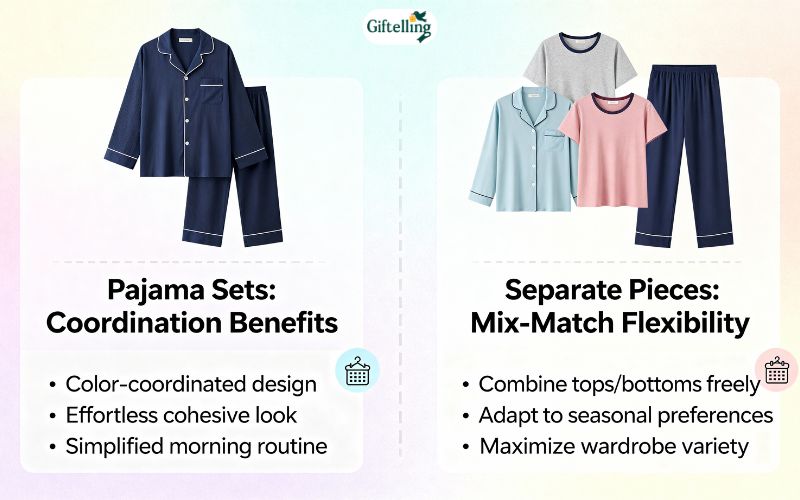
Coordinated pajama sets offer convenience, guaranteed fabric compatibility, and visual cohesion that simplifies decision-making. Sets ensure both top and bottom work together in terms of weight, breathability, and warmth, eliminating guesswork about whether pieces will perform well together. This coordination particularly benefits those who find decision-making difficult when tired or those establishing new sleep routines.
Separate pieces provide flexibility to mix different weights for customized temperature control of upper and lower body zones. Many people run warmer or cooler on different body areas, and separates accommodate these differences. This approach also allows replacing individual worn pieces rather than entire sets, extending your sleepwear wardrobe’s overall lifespan and reducing long-term costs.
Consider a hybrid approach maintaining both sets and separates. Keep coordinated sets for convenience and guaranteed comfort, while building a collection of versatile separates that mix and match. This strategy provides options for different situations, moods, and needs without forcing you into rigid either-or choices.
Maximizing wardrobe versatility
Neutral-colored separates in coordinating tones create numerous outfit combinations from fewer pieces. A collection of three tops and three bottoms in complementary colors potentially creates nine outfit combinations. This mathematical advantage of separates stretches your sleepwear budget while ensuring variety that keeps bedtime routines feeling fresh.
Some sleepwear doubles effectively as loungewear, maximizing utility per garment. Pajama pants might pair with regular t-shirts for weekend relaxation, or pajama tops could work with athletic shorts. This versatility reduces total wardrobe needs while ensuring comfortable clothing available for various home situations beyond just sleep.
Addressing common sleepwear mistakes
Wearing restrictive or uncomfortable clothing to bed because it looks attractive represents a common mistake that significantly impacts sleep quality. Prioritize comfort and function over appearance in sleepwear selection. What you wear to bed affects only your sleep experience, not social situations, making practical concerns far more important than aesthetic appeal.
Continuing to wear worn-out pajamas with stretched elastic, thinned fabric, or lost softness compromises sleep quality unnecessarily. Many people delay replacing sleepwear despite obvious deterioration, tolerating discomfort they wouldn’t accept in other clothing categories. Set clear replacement criteria—when pajamas lose comfort or functionality, retire them promptly and invest in fresh options.
Sleeping in daytime clothes creates hygiene concerns and blurs psychological boundaries between waking and sleeping hours. Changing into dedicated sleepwear signals your body that rest time approaches, supporting circadian rhythm regulation. The few minutes required to change clothes delivers outsized benefits for sleep quality through both practical and psychological mechanisms.
Recognizing personal sleep patterns
Understanding whether you naturally sleep hot or cold guides appropriate sleepwear selection better than general recommendations. Pay attention to whether you typically wake feeling overheated, kick off covers during sleep, or conversely curl up seeking warmth. These patterns reveal your personal thermoregulation tendencies and indicate whether lighter or warmer sleepwear serves you better.
Experiment with different fabric weights, materials, and coverage levels to discover what works best for your individual needs. Sleep requirements vary significantly between people, and the “best” sleepwear depends entirely on personal physiology, environment, and preferences. Trust your own experience over generic advice when determining ideal sleepwear characteristics.
Frequently asked questions
What should I wear to bed for the best sleep?
Wear loose-fitting pajamas made from breathable natural fabrics like cotton or bamboo that match your bedroom temperature and personal warmth preferences. The best sleepwear allows unrestricted movement, wicks moisture effectively, and maintains comfortable body temperature throughout the night. Choose soft, smooth fabrics without irritating seams or details, and ensure proper fit without restriction or excessive bagginess.
Is it better to sleep in pajamas or underwear?
Both options can work well depending on personal preference, room temperature, and hygiene considerations. Pajamas offer temperature regulation, keep body oils off bedding, provide modesty in shared spaces, and create psychological sleep associations. Minimal clothing works for very hot sleepers in warm environments. Choose whatever maintains comfortable temperature and makes you feel relaxed and ready for sleep.
How many pajama sets should I own?
Own at least three to four pajama sets allowing proper rotation for washing without rewearing between laundering. This quantity ensures clean sleepwear always available while extending individual set lifespan through reduced wear frequency. Include seasonal variety with lighter summer options and warmer winter choices if your climate experiences significant temperature variation throughout the year.
Can wearing the wrong pajamas affect sleep quality?
Yes, inappropriate sleepwear significantly impacts sleep quality by causing temperature dysregulation, physical discomfort, or skin irritation that disrupts rest. Pajamas that trap excessive heat, restrict movement, or feature irritating details create subtle discomfort causing micro-arousals throughout the night. These disruptions fragment sleep architecture even when you don’t consciously wake, reducing restorative benefits of sleep.
Should pajamas be tight or loose?
Pajamas should be comfortably loose without being excessively baggy, allowing unrestricted movement during sleep. Tight sleepwear restricts circulation, creates pressure points, and limits natural position changes during healthy sleep. Overly loose pajamas bunch or twist uncomfortably. Aim for fit that stays in place without constriction, with waistbands that hold gently without digging into skin or leaving marks.
Implementing your sleepwear improvement plan
Understanding sleepwear tips provides knowledge, but implementing changes delivers actual sleep quality improvements. Start by honestly evaluating your current pajamas—do they support or hinder comfortable rest? Identify specific problems like temperature inappropriateness, poor fabric breathability, restrictive fit, or worn-out condition that compromise sleep comfort.
Make changes gradually rather than replacing your entire sleepwear wardrobe immediately. Start with one or two quality sets that address your most significant comfort issues. Wear these new pajamas consistently for at least two weeks, noting any sleep quality changes. This experiential approach reveals what actually works for your unique needs better than theoretical considerations alone.
Track sleep quality alongside sleepwear changes to identify genuine improvements. Note factors like how quickly you fall asleep, how many times you wake during the night, and how refreshed you feel upon waking. These concrete observations help you determine whether sleepwear investments deliver meaningful returns through better rest.
Transform your sleep starting tonight
The connection between appropriate sleepwear and quality rest extends far beyond simple comfort preferences. The right pajamas support your body’s natural thermoregulation, eliminate physical irritations, and create psychological sleep associations that improve both sleep onset and maintenance. Every night spent in well-chosen sleepwear contributes to better rest that accumulates into significant health and performance benefits.
Sleep quality affects every aspect of waking life including energy levels, cognitive function, emotional regulation, and physical health. Optimizing factors that enhance sleep—including appropriate, comfortable pajamas—represents one of the most valuable investments you can make in overall wellbeing. The modest cost of quality sleepwear delivers returns far exceeding the initial expense through improved daily function and long-term health.
Ready to experience the difference that properly chosen pajamas make for sleep quality? Explore Giftelling’s carefully selected collection of premium sleepwear designed specifically to enhance rest through superior fabrics, thoughtful construction, and temperature-appropriate designs. From breathable cotton to moisture-wicking bamboo and luxurious silk, discover pajamas that support your body’s need for restorative sleep. Visit Giftelling today to find sleepwear that will help you fall asleep faster, stay asleep longer, and wake feeling genuinely refreshed and ready to embrace each new day with energy and enthusiasm.
Pingback: Sleep to lounge: 8 stylish pajama sets for all day | Giftelling