
Blogs, Pajamas Set Blogs
Best pajama fabrics explained: Cotton, silk & more
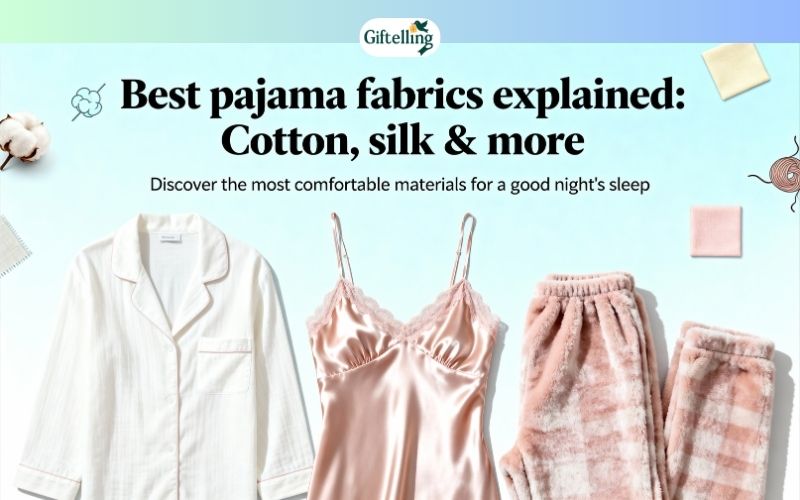
The fabric you sleep in dramatically impacts rest quality, body temperature, and overall comfort throughout the night. Understanding different pajama fabrics helps you select sleepwear that matches your sleep style, climate, and personal preferences. From breathable cotton to luxurious silk and innovative bamboo blends, each material offers unique benefits worth exploring for better sleep.
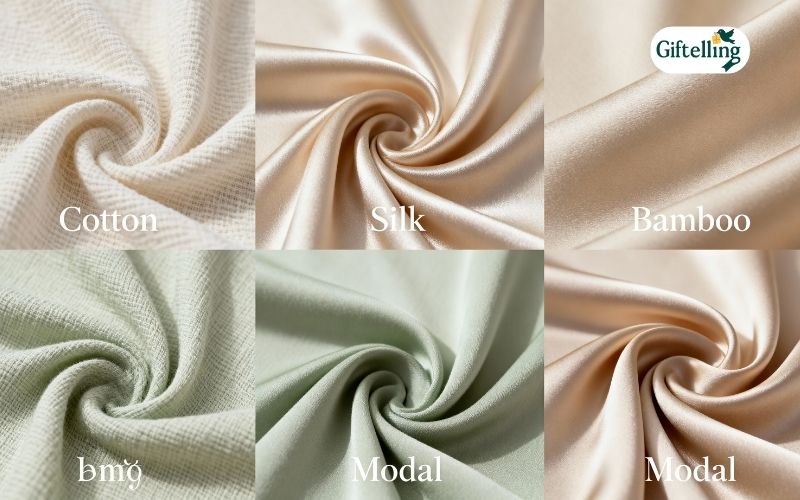
Why pajama fabric matters for sleep quality
Pajama fabric directly influences your body’s ability to regulate temperature during sleep cycles. Your core temperature naturally drops by one to two degrees Fahrenheit during sleep, and the right fabric supports this process while wrong materials interfere with it. Breathability, moisture management, and thermal properties all stem from fabric composition.
Poor fabric choices lead to night sweats, temperature fluctuations, and frequent waking. Materials that trap heat or fail to wick moisture create discomfort that pulls you out of deep, restorative sleep stages. Conversely, appropriate fabrics work invisibly, maintaining comfort without drawing attention to themselves.
Skin sensitivity also depends heavily on fabric type. Some materials irritate sensitive skin or exacerbate conditions like eczema, while others soothe and protect. The texture, weave, and chemical treatments applied to pajama fabric all affect how your skin responds throughout eight hours of contact.
Cotton pajamas: The classic comfort choice
Cotton remains the most popular pajama fabric worldwide due to its natural breathability, softness, and versatility. This natural fiber allows excellent air circulation around your skin, preventing heat buildup while absorbing moisture effectively. Cotton’s molecular structure creates microscopic spaces that facilitate airflow, making it ideal for temperature regulation.
Cotton pajamas offer durability that synthetic alternatives rarely match. Quality cotton withstands frequent washing without losing softness or developing pilling. The fabric actually becomes softer over time as fibers relax, creating sleepwear that improves with age rather than deteriorating.
Cotton’s hypoallergenic properties make it suitable for sensitive skin and those with allergies. The natural fiber rarely causes irritation or allergic reactions, unlike synthetic materials that may contain chemical additives. This safety profile explains why pediatricians and dermatologists consistently recommend cotton sleepwear.
Types of cotton for sleepwear
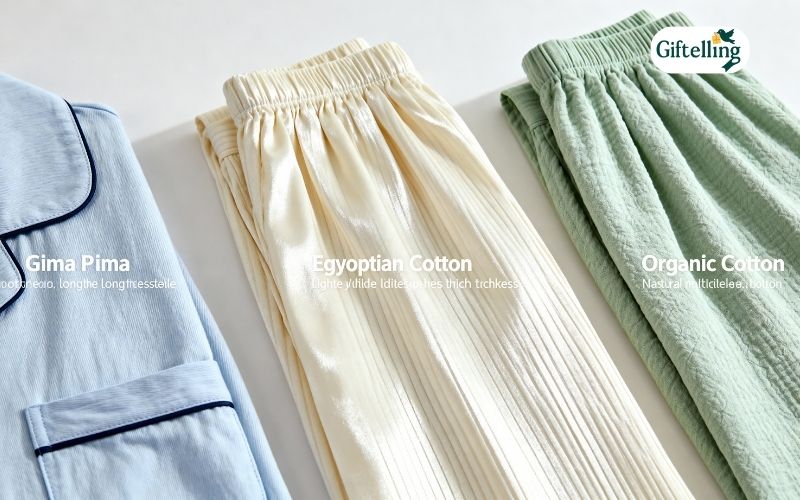
Pima cotton and Egyptian cotton represent premium options with extra-long staple fibers. These varieties produce exceptionally soft, durable fabrics that resist pilling and maintain their luxurious feel through countless wash cycles. The longer fibers create stronger, smoother yarn that translates to superior comfort against skin.
Supima cotton, grown exclusively in the United States, offers similar quality to Pima cotton with certified American origin. This cotton type provides the same extra-long staples that create soft, strong fabric perfect for sleepwear that lasts for years. Organic cotton eliminates pesticide exposure and chemical treatments, appealing to environmentally conscious consumers and those with extreme skin sensitivity.
Jersey knit cotton provides stretch and flexibility that standard woven cotton lacks. This knit structure creates fabric that moves with your body during sleep, preventing restriction or bunching. Jersey cotton works particularly well for active sleepers who change positions frequently throughout the night.
Cotton weight variations
Lightweight cotton works best for warm weather and hot sleepers, offering maximum breathability with minimal insulation. These thinner fabrics, typically under 150 GSM (grams per square meter), allow heat to escape freely while still providing modest coverage. Summer cotton pajamas often use percale or voile weaves that feel crisp and cool.
Medium-weight cotton serves as the most versatile option for year-round wear in moderate climates. Fabrics between 150-200 GSM balance breathability with warmth, adapting reasonably well to temperature fluctuations. This weight category includes most standard cotton pajamas and provides comfort across three seasons.
Heavyweight cotton like flannel offers cozy warmth for winter months and cold sleepers. Brushed cotton surfaces trap air for insulation while maintaining the breathability cotton is known for. Flannel typically exceeds 200 GSM and features a napped surface that feels exceptionally soft and warm against skin.
>>> See more: How to Choose the Perfect Pajama Set for Better Sleep
Silk pajama sets: Luxury meets function
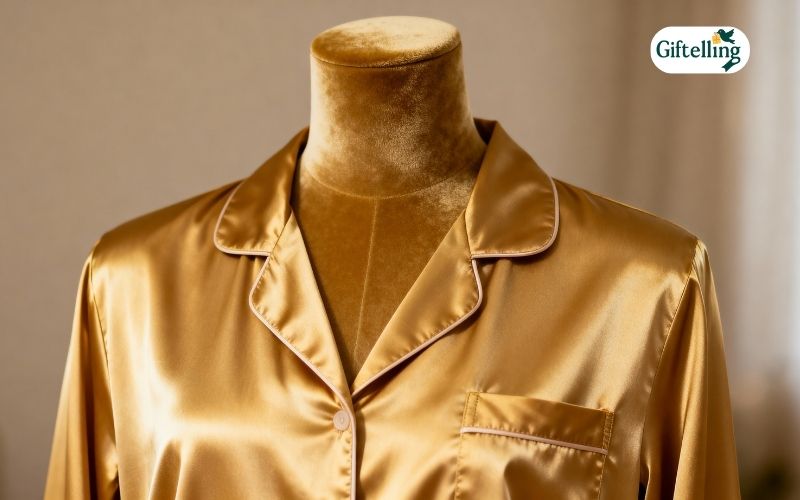
Silk delivers unmatched luxury while providing surprising practical benefits for sleep comfort. This natural protein fiber possesses unique temperature-regulating properties that keep you cool in summer and warm in winter. Silk’s thermal neutrality comes from its complex structure that traps air when needed for warmth but allows heat escape when temperatures rise.
A quality silk pajama set offers beauty benefits beyond comfort. Silk’s smooth surface reduces friction against skin and hair, minimizing wrinkles and preventing bedhead or hair breakage. Dermatologists note that silk’s amino acid composition closely resembles human skin, making it naturally compatible and gentle.
Silk naturally resists dust mites, mold, and other allergens that commonly inhabit fabric. This hypoallergenic quality makes silk excellent for allergy sufferers despite its reputation as purely a luxury material. The fabric’s natural properties provide genuine health benefits alongside its undeniable elegance.
Silk types and momme weight
Mulberry silk represents the highest quality silk for pajamas, produced by silkworms fed exclusively on mulberry leaves. This controlled diet creates the most uniform, finest silk fibers available. Mulberry silk features exceptional durability, luster, and smoothness that other silk varieties cannot match.
Momme weight measures silk fabric density, with higher numbers indicating heavier, more durable fabric. Pajamas typically use 16-22 momme silk, balancing luxury feel with practical durability. Lower momme weights feel too delicate for sleepwear, while higher weights become less breathable and more expensive than necessary.
Charmeuse silk creates the classic smooth, satiny finish most people associate with luxury pajamas. This weave produces fabric with a lustrous front and matte back, combining visual appeal with comfortable texture. Habotai silk offers a lighter alternative with less shine but excellent breathability for warm-weather sleepwear.
Caring for silk sleepwear
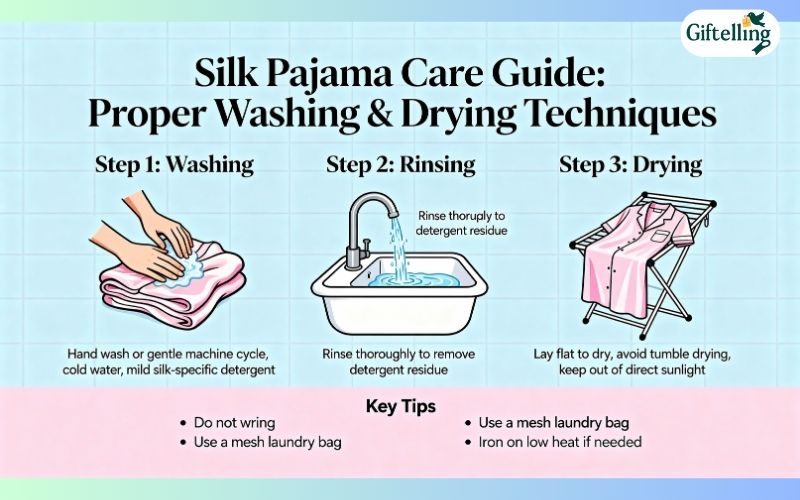
Silk requires gentle care but rewards proper maintenance with years of luxurious wear. Hand washing in cool water with pH-neutral detergent preserves silk’s delicate fibers best. Machine washing on delicate cycles works for some silk types, but always check manufacturer guidelines and use mesh laundry bags for protection.
Air drying away from direct sunlight prevents fading and fiber damage. Never wring silk forcefully; instead, gently press out excess water and lay flat or hang to dry. Iron on the lowest setting while slightly damp if needed, always using a pressing cloth between iron and silk to prevent scorching or shine marks.
Bamboo fabric: The sustainable innovator
Bamboo fabric offers exceptional moisture-wicking properties that surpass even cotton for hot sleepers and those experiencing night sweats. The fabric pulls moisture away from skin up to three times faster than cotton, evaporating it quickly to maintain dry comfort. This performance makes bamboo particularly valuable for menopausal individuals or anyone dealing with temperature regulation challenges.
Bamboo’s natural antimicrobial properties resist bacteria and odor without chemical treatments. The bio-agent called “bamboo kun” within the plant naturally prevents bacterial growth, and this property persists in the finished fabric. Bamboo pajamas stay fresher between washes and resist the musty smell that sometimes develops in other fabrics.
Environmental benefits add appeal for eco-conscious consumers. Bamboo grows rapidly without pesticides, fertilizers, or significant water compared to cotton. The plant regenerates from its root system after harvesting, eliminating replanting needs. However, processing methods vary in environmental impact, making fabric production practices worth investigating.
Bamboo fabric production methods
Bamboo viscose or rayon represents the most common processing method, using chemical solvents to break down bamboo pulp. This process creates silky-soft fabric but involves harsh chemicals that raise environmental concerns despite bamboo’s sustainable growth. Closed-loop systems recycle these chemicals, significantly reducing environmental impact when manufacturers use responsible practices.
Bamboo lyocell (often branded as Tencel) employs a more environmentally friendly production process using non-toxic solvents in a closed-loop system. This method recovers over 99% of solvents for reuse, creating minimal environmental impact. Lyocell bamboo feels similarly soft to viscose while offering superior moisture management and durability.
Bamboo linen uses mechanical rather than chemical processing, crushing bamboo stems and using natural enzymes to separate fibers. This method produces the most eco-friendly bamboo fabric but results in a coarser texture similar to linen. While less common for pajamas, mechanical bamboo suits those prioritizing environmental sustainability over ultimate softness.
Modal and Tencel: Advanced plant-based fabrics
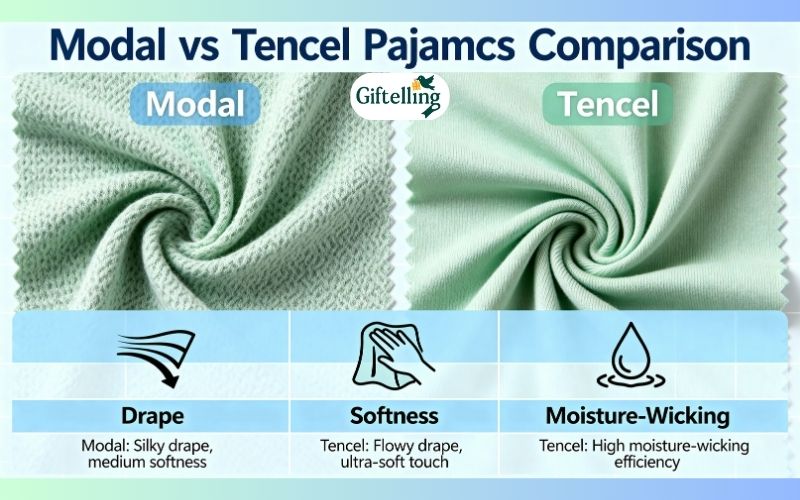
Modal fabric, derived from beech tree pulp, delivers exceptional softness that rivals or exceeds cotton’s comfort. This semi-synthetic fabric drapes beautifully and resists shrinking, making it ideal for pajamas that maintain their fit and feel through numerous washes. Modal’s molecular structure allows up to 50% more moisture absorption than cotton while remaining breathable.
The fabric’s smooth surface reduces friction, making modal particularly comfortable for sensitive skin or those who experience irritation from other materials. Many sleepers describe modal as feeling like a second skin due to its lightweight, fluid drape. This characteristic prevents the bunching or twisting common with heavier fabrics during sleep.
Tencel, a branded lyocell fabric, shares modal’s soft feel while adding superior moisture management. Tencel absorbs moisture efficiently then releases it into the air, creating a cooling effect perfect for temperature regulation. The fabric’s fiber structure naturally discourages bacterial growth, keeping pajamas fresher and more hygienic.
Blended fabric advantages
Modal-cotton blends combine the best properties of both fibers, creating superior performance pajamas. These blends typically feature 60-80% modal for softness with 20-40% cotton for structure and durability. The combination resists pilling better than pure modal while feeling softer than pure cotton.
Tencel-polyester blends add wrinkle resistance and shape retention to Tencel’s moisture-wicking properties. Small percentages of polyester (usually 5-15%) help pajamas maintain their appearance without compromising the natural fiber benefits significantly. These blends work well for travel pajamas that need to look presentable after being packed in luggage.
Flannel: Cozy warmth for cold weather
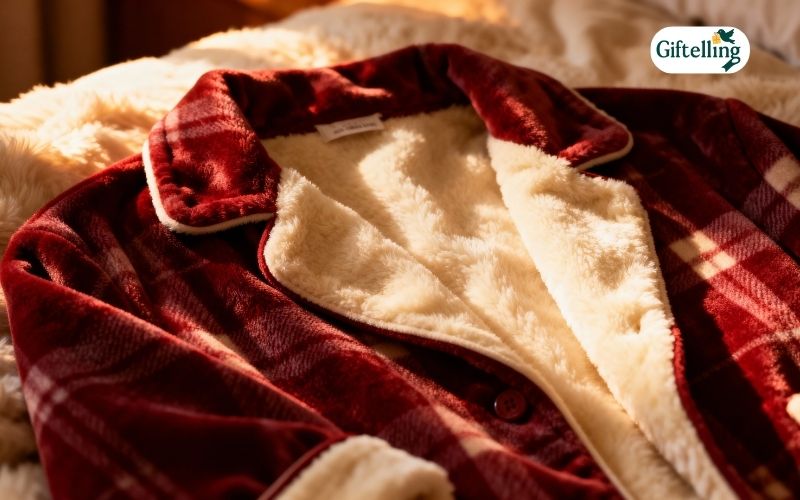
Flannel fabric features a brushed surface that creates air pockets for insulation while maintaining breathability. Traditional flannel uses cotton fibers, though synthetic versions exist. The napping process raises fiber ends on one or both sides, creating that characteristic fuzzy texture that feels warm and cozy against skin.
Quality flannel grows softer with washing as the brushed fibers relax and bloom. This improvement over time makes flannel pajamas a long-term investment that becomes more comfortable rather than wearing out. The fabric’s weight and brushing density determine warmth level, with heavier flannels providing more insulation.
Flannel works best for cold climates or individuals who naturally sleep cold. The insulating properties can cause overheating in warm environments or for hot sleepers. Consider flannel as seasonal sleepwear unless your bedroom maintains consistently cool temperatures year-round.
Flannel quality indicators
Thread count and weight together determine flannel quality and warmth. Higher thread counts create denser fabric with better durability. Flannel weight typically ranges from 4 to 6 ounces per square yard, with heavier weights providing more warmth but potentially less breathability.
Double-brushed flannel has both sides napped for maximum softness and warmth. Single-brushed versions feature one soft side and one smooth side, offering slightly less warmth but maintaining that cozy flannel feel. Portuguese flannel enjoys particular reputation for quality, using superior cotton and manufacturing techniques that create exceptionally durable, soft fabric.
Synthetic fabrics: Polyester, nylon, and microfiber
Synthetic fabrics offer durability, wrinkle resistance, and affordable pricing but generally provide less breathability than natural fibers. Polyester pajamas resist shrinking and maintain color vibrancy through numerous washes. The fabric dries quickly and requires minimal ironing, making it practical for frequent travelers or those prioritizing easy care.
Modern moisture-wicking synthetics engineered for athletic wear translate effectively to sleepwear. These technical fabrics pull sweat away from skin and disperse it across fabric surfaces for rapid evaporation. While not as naturally breathable as cotton, performance synthetics can actually outperform natural fibers for moisture management in specific applications.
The primary drawback of synthetic pajama fabric involves heat retention and potential skin irritation. Many synthetic fibers trap heat more than natural alternatives, making them problematic for hot sleepers. Some individuals also experience allergic reactions or irritation from synthetic materials, particularly those with sensitive skin.
When synthetic fabrics make sense
Synthetic blends with small percentages of polyester or spandex add stretch and shape retention to natural fibers. Pajamas with 5-10% spandex maintain their fit better and resist bagging at knees or elbows. This stretch improves comfort for active sleepers without significantly compromising the natural fiber benefits.
Microfiber polyester creates exceptionally soft fabric that some people prefer despite breathability limitations. Ultra-fine synthetic fibers produce a peach-skin texture that feels luxurious and cozy. Microfiber works well for loungewear that transitions to sleepwear in consistently climate-controlled environments where breathability matters less.
Linen: The breathable summer option
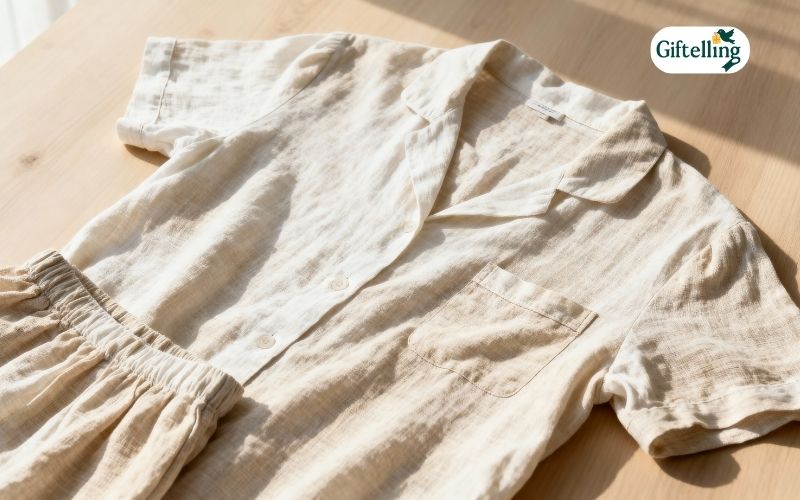
Linen offers maximum breathability and natural temperature regulation for hot weather sleepwear. Made from flax plant fibers, linen features a loose weave that allows exceptional airflow. The fabric conducts heat away from the body more effectively than any other natural fiber, making it ideal for tropical climates or extremely hot sleepers.
Linen’s moisture-wicking capabilities actually improve when damp, unlike cotton which can feel clammy when wet. This property makes linen particularly valuable for those dealing with night sweats or humid sleeping environments. The fabric dries rapidly and maintains comfort even during significant perspiration.
The texture of linen divides opinion. Some people love the crisp, slightly rough feel that softens significantly with washing. Others find new linen too stiff for comfortable sleepwear. Quality linen becomes incredibly soft over time, developing a lived-in comfort that many enthusiasts treasure.
Linen care and longevity
Linen grows softer and more comfortable with every wash, making it an investment that improves rather than deteriorates. The natural fiber is incredibly strong, often lasting decades with proper care. Machine wash linen on gentle cycles in warm or hot water, as the durable fiber handles washing better than delicate materials like silk.
Embrace linen’s natural tendency to wrinkle or choose pre-washed, relaxed linen that accepts its casual texture. The wrinkles actually contribute to linen’s breathability by creating additional air pockets. If you prefer smoother appearance, iron while still slightly damp or use steam to relax wrinkles easily.
Choosing fabric for your sleep style
Hot sleepers need moisture-wicking, breathable fabrics like bamboo, linen, or lightweight cotton. These materials actively work to maintain comfortable body temperature by promoting airflow and evaporating moisture rapidly. Avoid heavy fabrics, synthetics, or anything described as “cozy” or “warm” unless specifically engineered with cooling technology.
Cold sleepers benefit from insulating fabrics like flannel, fleece-lined cotton, or heavier modal blends. These materials trap body heat effectively while still allowing enough breathability to prevent overheating. Layer options work well too, pairing a lightweight cotton top with warmer bottoms or vice versa for customized comfort.
Sensitive skin requires hypoallergenic natural fibers without chemical treatments. Organic cotton, silk, and bamboo processed without harsh chemicals typically cause minimal irritation. Look for OEKO-TEX certification indicating fabrics tested and free from harmful substances. Flat seams and tagless designs further reduce irritation potential.
Climate and seasonal considerations
Your bedroom environment influences ideal fabric choice as much as personal temperature preferences. Air-conditioned rooms allow more fabric flexibility since temperature stays controlled. Rooms without climate control need fabrics that adapt to natural temperature fluctuations, like silk or medium-weight cotton.
Humid climates demand moisture-wicking priority, making bamboo and linen excellent choices. Dry climates may cause static with synthetic fabrics, favoring natural fibers. Consider altitude too, as higher elevations typically require warmer sleepwear due to thinner air and cooler nighttime temperatures.
Fabric weight and thread count explained
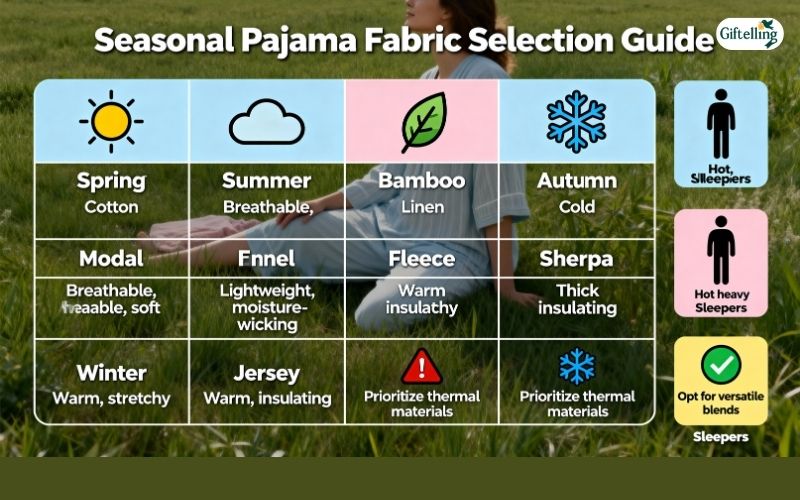
Fabric weight measured in GSM (grams per square meter) indicates density and warmth potential. Lightweight pajama fabrics under 150 GSM suit warm weather and hot sleepers. Medium weights between 150-200 GSM work for most year-round applications. Heavy fabrics over 200 GSM provide winter warmth but may overheat in moderate conditions.
Thread count matters primarily for woven cotton fabrics, indicating how many threads exist per square inch. Higher thread counts generally mean softer, more durable fabric, though the relationship isn’t perfectly linear. Cotton pajamas with 200-400 thread count offer excellent quality without unnecessary expense. Beyond 600 thread count, diminishing returns occur as other factors like fiber length matter more.
For knit fabrics like jersey cotton or modal, thread count becomes irrelevant. Instead, consider fabric weight and stitch density. Tighter knits create denser fabric with more warmth and durability, while looser knits provide enhanced breathability and stretch.
Sustainability and ethical fabric choices
Organic and sustainably produced fabrics reduce environmental impact while often providing superior comfort. Organic cotton pajamas eliminate pesticide exposure to farmers and reduce groundwater contamination. Certifications like GOTS (Global Organic Textile Standard) verify organic claims and ensure ethical manufacturing practices throughout production.
Regenerative agriculture takes sustainability further by improving soil health during fiber production. Some cotton and linen producers now employ regenerative practices that actually sequester carbon and enhance biodiversity. These practices cost more but contribute to environmental restoration rather than just reducing harm.
Fair trade certifications ensure workers receive fair wages and safe conditions throughout the supply chain. Ethical manufacturing matters as much as environmental sustainability, particularly in the textile industry where labor exploitation remains common. Supporting brands committed to both environmental and social responsibility creates positive impact beyond personal comfort.
Frequently asked questions
What is the best fabric for pajamas?
Cotton is the best all-around pajama fabric for most people due to its breathability, softness, comfort, and easy care. However, the “best” fabric depends on individual needs—hot sleepers may prefer bamboo or linen, cold sleepers might choose flannel, and those seeking luxury often select silk. Consider your personal sleep temperature, skin sensitivity, and climate when choosing.
Is silk or cotton better for pajamas?
Cotton offers better practicality, durability, and affordability, while silk provides superior luxury, temperature regulation, and skin benefits. Cotton handles frequent washing easily and works for most sleepers. Silk regulates temperature more effectively and reduces friction against skin and hair but requires delicate care and costs significantly more. Choose based on your budget and care preferences.
What fabric keeps you coolest at night?
Linen and bamboo fabrics keep you coolest at night due to exceptional breathability and moisture-wicking properties. Linen’s loose weave allows maximum airflow while conducting heat away from the body. Bamboo actively pulls moisture from skin and evaporates it quickly, creating a cooling effect. Lightweight cotton and Tencel also work well for hot sleepers.
Are bamboo pajamas better than cotton?
Bamboo pajamas excel at moisture-wicking and cooling, making them superior for hot sleepers and those with night sweats. Cotton offers better durability, easier care, and often lower cost while still providing good breathability. Bamboo feels silkier and softer, while cotton provides a more classic pajama feel. Neither is universally better—choose based on your specific needs.
How often should you replace pajamas?
Replace pajamas every one to two years or when they show significant wear like thinning fabric, stretched elastic, or lost softness. Quality natural fiber pajamas often last longer than synthetic options. Signs that replacement is needed include holes, permanent stains, fabric that no longer feels comfortable, or elastic that no longer holds shape properly.
>>> Explore more: Pajama sets vs separate pajamas: Which is better?
Making your fabric selection
Understanding pajama fabric properties empowers you to choose sleepwear that genuinely enhances your rest. Natural fibers like cotton, silk, and bamboo generally outperform synthetics for breathability and comfort, though each material serves specific needs. Consider your personal sleep temperature, skin sensitivity, climate, and care preferences when selecting fabric types.
Don’t hesitate to own multiple pajama types for different seasons, situations, or even moods. A well-curated sleepwear wardrobe might include lightweight cotton for summer, flannel for winter, and silk for special occasions or when you need temperature regulation. Each fabric’s unique properties means variety serves practical purposes beyond simple preference.
Quality matters more than quantity when building your pajama collection. Investing in well-made pajamas from superior fabrics provides better long-term value than purchasing numerous cheap sets. Premium materials feel better, last longer, and support sleep quality more effectively, making them worthwhile investments in your health and daily wellbeing.
Sleep better with the right fabric choice
Your sleepwear fabric directly impacts how well you rest and how refreshed you feel each morning. Choosing materials that work with your body’s natural temperature regulation, skin sensitivity, and sleep preferences transforms pajamas from simple clothing into tools for better health and daily energy.
Ready to experience the comfort difference that quality pajama fabrics provide? Explore Giftelling’s premium collection of cotton, silk, bamboo, and specialty fabric pajamas designed for superior sleep comfort. From breathable summer cottons to cozy winter flannels and luxurious silk sets, discover sleepwear crafted from the finest materials to match your unique needs. Visit Giftelling today to find pajamas in fabrics that will help you sleep cooler, more comfortably, and wake up feeling truly rested and ready for whatever your day brings.
Pingback: Why quality pajamas matter for sleep and health | Giftelling
Pingback: Best pajama sets for women: 10 comfort-style picks | Giftelling