
Blogs, Pajamas Set Blogs
How to Choose the Perfect Pajama Set for Better Sleep

Finding the right pajama set can transform your nightly routine from restless tossing to peaceful slumber. The perfect pajamas combine breathable fabrics, proper fit, and temperature regulation to support quality sleep. Whether you prefer classic cotton sets or modern moisture-wicking designs, understanding what makes sleepwear truly comfortable will help you invest in pieces that enhance your rest and overall wellness.
Why your pajama set matters for sleep quality
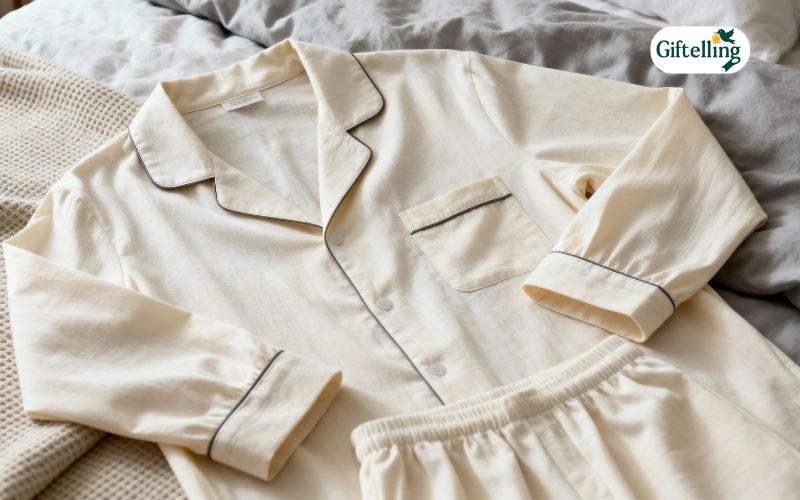
The connection between what you wear to bed and how well you sleep is backed by sleep science. Proper sleepwear helps regulate body temperature, reduces nighttime disruptions, and signals to your brain that it’s time to rest. When your body maintains an optimal temperature throughout the night, you spend more time in deep, restorative sleep stages.
Research shows that body temperature naturally drops during sleep, and wearing the wrong pajamas can interfere with this process. Restrictive clothing, synthetic materials that trap heat, or fabrics that don’t breathe can cause you to wake up sweating or feeling uncomfortable. A well-chosen pajama set works with your body’s natural rhythms rather than against them.
Beyond temperature regulation, comfortable pajamas reduce physical distractions. Bunching fabric, tight elastic, or irritating seams can pull you out of sleep without you even realizing why you’re waking up. Investing in quality sleepwear is investing in your health, productivity, and daily energy levels.
Understanding fabric choices for comfortable pajamas
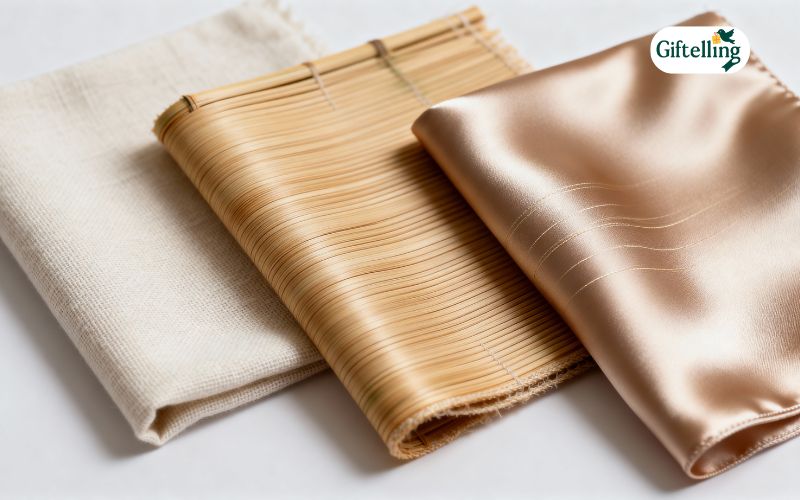
Cotton remains the gold standard for pajama sets due to its breathability, softness, and moisture absorption. Natural cotton fibers allow air circulation around your skin, preventing overheating while wicking away perspiration. Look for 100% cotton or high-percentage cotton blends for maximum comfort.
Cotton varieties and their benefits
Different cotton types offer unique advantages for sleepwear. Pima cotton and Egyptian cotton feature longer fibers that create softer, more durable fabrics. These premium cottons resist pilling and maintain their luxurious feel wash after wash. Organic cotton provides the same comfort while avoiding pesticides and chemicals.
Jersey knit cotton offers stretch and flexibility, making it ideal for those who move during sleep. Flannel cotton provides warmth for cold sleepers or winter months. Each cotton variety serves different preferences and sleeping environments.
Synthetic and blend options
Moisture-wicking synthetic fabrics like bamboo viscose and modal excel at temperature regulation. These materials pull moisture away from skin faster than cotton, making them excellent choices for hot sleepers or those experiencing night sweats. Bamboo fabric also offers natural antimicrobial properties.
Silk provides luxury and temperature neutrality, keeping you cool in summer and warm in winter. However, silk requires delicate care and comes at a higher price point. Satin polyester mimics silk’s smooth feel at a fraction of the cost but doesn’t offer the same breathability.
Finding the right fit and style
Fit matters as much as fabric when selecting a pajama set. Your sleepwear should allow unrestricted movement while staying in place throughout the night. Too tight, and you’ll feel constricted; too loose, and fabric bunches uncomfortably beneath you.
Size considerations
Choose pajamas based on your actual measurements rather than assuming your usual clothing size translates directly. Different brands and styles fit differently. Check size charts carefully, paying attention to chest, waist, and hip measurements for bottoms, and shoulder width for tops.
Consider sizing up if you’re between sizes or prefer a roomier fit. Many people find that slightly loose pajamas feel more comfortable than form-fitting options. However, excessively baggy sleepwear can twist during sleep and create discomfort.
Style options for different sleepers
Traditional button-up tops with pants offer versatility and adjustability. You can unbutton the top partially for cooling or wear pieces separately. Matching pajama sets create a polished look while ensuring coordinated comfort.
Short-sleeve tops and shorts work well for warm sleepers or summer months. Long-sleeve sets with pants provide coverage for cold sleepers or air-conditioned bedrooms. Consider your bedroom temperature and personal temperature preferences when selecting sleeve length and coverage.
Temperature regulation features
The best pajama sets help maintain your body’s ideal sleeping temperature of approximately 60-67 degrees Fahrenheit. Look for features that support this temperature range regardless of your bedroom’s ambient temperature.
Lightweight fabrics with loose weaves promote airflow. Pajamas with moisture-wicking technology actively pull sweat away from your body, evaporating it quickly to prevent dampness. Some advanced sleepwear incorporates phase-change materials that absorb and release heat as needed.
Seasonal considerations
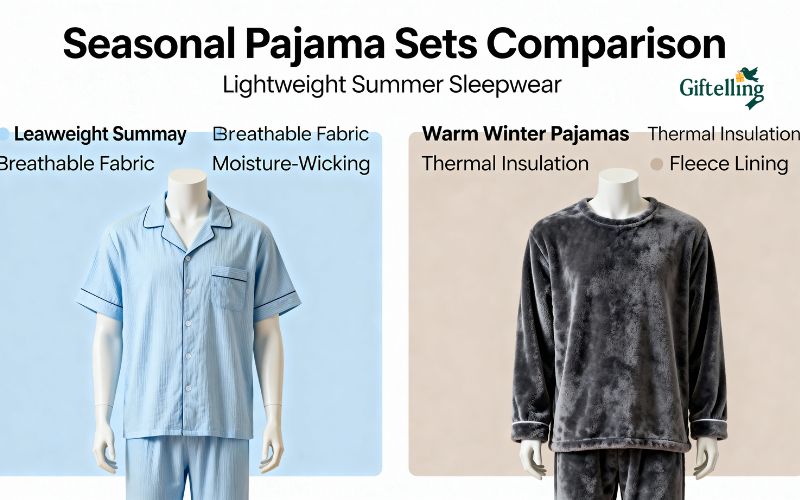
Build a sleepwear wardrobe that adapts to changing seasons. Summer comfortable pajamas should prioritize breathability and minimal coverage. Choose lightweight cotton, linen blends, or moisture-wicking synthetics in shorts and short-sleeve styles.
Winter pajamas need insulation without bulk. Flannel cotton or brushed jersey knit provides warmth while maintaining breathability. Avoid heavy, non-breathable materials that trap too much heat, as this can still disrupt sleep by causing overheating.
Design details that enhance comfort
Small design elements significantly impact overall comfort. Flat-seam construction eliminates irritating ridges that can chafe sensitive skin. Look for pajamas with tagless labels or easily removable tags to prevent neck irritation.
Elastic waistbands should be wide and soft, providing security without digging into your skin. Drawstring closures offer adjustability, allowing you to customize the fit. Avoid pajama bottoms with excessive elastic that creates pressure points.
Pocket and closure preferences
Pockets add functionality if you like keeping items nearby, but ensure they’re positioned to avoid bunching when lying down. Button closures on tops should be smooth and flat, not bulky. Snap closures offer easier on-off access for those with dexterity concerns.
Consider buttonless pullover styles for ultimate simplicity and fewer potential irritation points. These designs work particularly well for restless sleepers who might catch buttons on bedding.
Special considerations for different sleep needs
Hot sleepers benefit most from moisture-wicking fabrics and loose-fitting designs. Choose pajama sets in light colors, which reflect rather than absorb heat. Look for mesh panels or ventilation features in strategic areas.
Cold sleepers should seek insulating fabrics with full coverage. Brushed interiors trap warmth while remaining breathable. Consider footed pajamas or add socks to keep extremities warm without overheating your core.
Sensitive skin considerations
Those with sensitive skin or conditions like eczema need hypoallergenic, irritation-free sleepwear. Organic cotton pajama sets eliminate chemical exposure from conventional farming. Avoid fabrics treated with formaldehyde or other finishing chemicals.
Seamless construction or exterior seams prevent friction against skin. Pre-wash new pajamas multiple times to remove manufacturing residues and soften fabrics before wearing them to bed.
Pregnancy and postpartum sleepwear
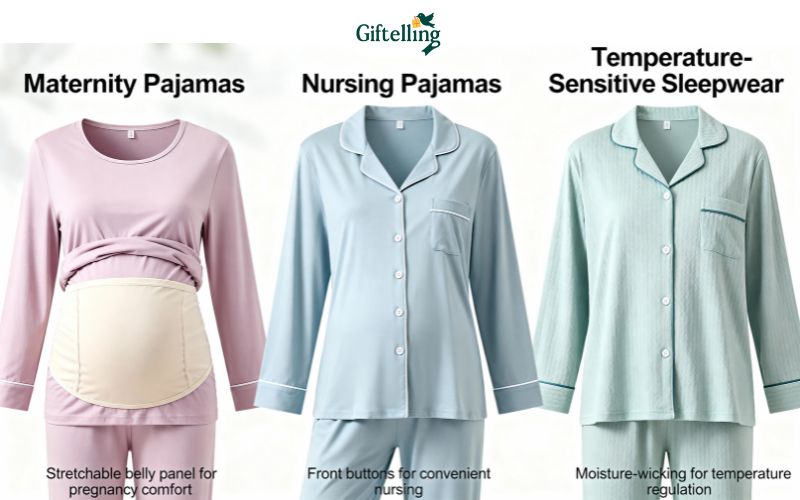
Pregnancy requires adjustable, expandable sleepwear that accommodates a changing body. Look for pajama sets with elastic or drawstring waists that sit comfortably below the belly. Nursing-friendly tops with button fronts or discreet access points make nighttime feeding easier.
Care and maintenance for longevity
Proper care extends the life of your comfortable pajamas and maintains their sleep-enhancing properties. Wash pajamas in cold or warm water using gentle, fragrance-free detergent to preserve fabric integrity. Hot water can break down elastic and shrink natural fibers.
Tumble dry on low heat or line dry to prevent excessive wear. High heat damages elastic, causes shrinkage, and breaks down moisture-wicking treatments. Turn pajamas inside out before washing to protect outer surfaces and printed designs.
When to replace your sleepwear
Replace pajamas when they show signs of significant wear, including thinning fabric, stretched elastic, or lost shape. Even if they appear intact, pajamas lose their comfort properties over time. Most sleepwear should be replaced every one to two years with regular use.
Having multiple pajama sets in rotation extends the life of each pair and ensures you always have clean, comfortable options available. Aim for at least three to four sets so you can wash them regularly without rewearing between washes.
Color and pattern psychology
While primarily aesthetic, color choices can subtly influence relaxation. Soft, muted tones like blues, greens, and neutrals promote calmness and relaxation. Bright colors or busy patterns might be more stimulating, though personal preference matters most.
Choose colors and patterns that make you feel good. If cheerful prints boost your mood before bed, that positive association supports better sleep. Dark colors hide stains better and may feel more sophisticated, while light colors reflect heat in warm weather.
Budget considerations and value
Quality pajamas represent an investment in sleep health, but you don’t need to overspend. Mid-range options often offer excellent comfort and durability. Focus on fabric quality and construction rather than brand names.
A well-made $40-60 pajama set typically outlasts multiple cheaper alternatives while providing superior comfort. Calculate cost-per-wear rather than upfront price. Sets you’ll actually want to wear every night provide better value than inexpensive options that sit unused.
Watch for sales on quality brands, especially during seasonal transitions. Building your sleepwear collection gradually allows you to invest in better pieces without straining your budget.
>>> See More: 🌙 Pajamas Set – Comfort and Style for a Perfect Night’s Sleep
Testing and breaking in new sleepwear
New pajamas need a break-in period to reach peak comfort. Wash new sleepwear two to three times before judging its comfort level. This removes manufacturing residues, softens fabrics, and allows materials to relax into their final texture.
Try new pajamas for at least a week before deciding if they work for you. Your body needs time to adjust to different fabrics and fits. What feels slightly different on night one might become your favorite by night seven.
If pajamas cause consistent discomfort, skin irritation, or sleep disruption after a proper trial period, don’t force yourself to wear them. Everyone’s comfort preferences differ, and what works for others might not work for you.
Frequently asked questions
How many pajama sets should I own?
Most people benefit from owning three to five pajama sets. This provides enough rotation to wash sleepwear regularly without running out of clean options. Having multiple sets also allows you to choose appropriate weight and style based on seasonal temperature changes.
Should pajamas be tight or loose?
Pajamas should be comfortably loose without being baggy. You want enough room to move freely and allow air circulation, but not so much fabric that it bunches or twists during sleep. The waistband should stay in place without creating pressure points or requiring constant adjustment.
What is the best material for pajamas?
Cotton is generally the best all-around material for pajamas due to its breathability, softness, and moisture absorption. However, the ideal material depends on your specific needs. Hot sleepers may prefer moisture-wicking bamboo or modal, while cold sleepers might choose flannel cotton or brushed jersey.
How often should I wash my pajamas?
Wash pajamas after every three to four wears under normal circumstances. If you sweat heavily during sleep, shower before bed, or have skin conditions, wash them after each use. Clean sleepwear reduces bacterial buildup and maintains fabric freshness that supports quality sleep.
Do expensive pajamas make a difference?
Higher-quality pajamas typically offer superior fabric, construction, and durability, which can significantly impact comfort and longevity. However, price doesn’t always correlate with quality. Focus on fabric composition, construction details, and reviews rather than price alone. Mid-range options often provide excellent value.
>>> Explore more: Snoopy Christmas Pajamas: The Cutest Holiday Outfit for Peanuts Fans in 2025
Key takeaways for choosing your perfect pajama set
Selecting the right pajama set requires balancing multiple factors: fabric breathability, proper fit, temperature regulation, and personal comfort preferences. Prioritize natural, breathable materials like cotton or bamboo that support your body’s temperature regulation during sleep.
Pay attention to construction details such as flat seams, quality elastic, and tagless designs that eliminate common irritation sources. Consider your specific sleep needs, whether you run hot or cold, and choose seasonal-appropriate options that maintain comfort year-round.
Remember that quality sleepwear is an investment in your overall health and wellbeing. Better sleep leads to improved mood, productivity, and physical health. The right pajamas create a foundation for consistent, restorative rest that benefits every aspect of your life.
Transform your sleep with the perfect pajamas
Your journey to better sleep starts with the right comfortable pajamas. By understanding fabric properties, fit requirements, and your personal comfort needs, you can select sleepwear that truly enhances your rest. Quality pajamas aren’t a luxury—they’re an essential tool for maintaining sleep health and overall wellness.
Ready to upgrade your sleepwear collection? Explore Giftelling’s curated selection of premium pajama sets designed with comfort and quality in mind. From breathable cotton classics to temperature-regulating modern fabrics, find the perfect sleepwear that matches your style and sleep needs. Invest in your rest tonight and experience the difference that truly comfortable pajamas make. Visit Giftelling now to discover your perfect pajama set and start enjoying deeper, more refreshing sleep.
Pingback: Pajama sets vs separate pajamas: Which is better? | Giftelling
Pingback: Best pajama fabrics explained: Cotton, silk & more | Giftelling
Pingback: Luxury pajama sets: 6 reasons they're worth it | Giftelling