
Blogs, Pajamas Set Blogs
Why quality pajamas matter for sleep and health
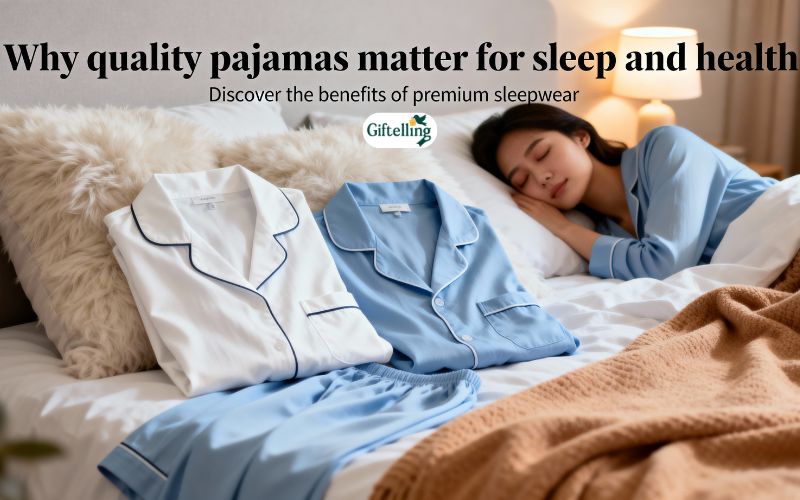
What you wear to bed affects far more than comfort—it impacts sleep quality, physical health, and daily performance. Quality pajamas regulate temperature, support skin health, and signal your brain that it’s time to rest. Understanding the connection between sleepwear and wellness helps you make informed choices that enhance both nightly rest and long-term health outcomes.
The science behind sleepwear and sleep quality
Your body temperature naturally drops during sleep as part of your circadian rhythm, and proper sleepwear supports this essential process. Core body temperature decreases by approximately one to two degrees Fahrenheit during the night, signaling to your brain that it’s time for restorative rest. Clothing that interferes with this temperature regulation disrupts sleep architecture and prevents deep sleep stages.
Research published in sleep science journals demonstrates that maintaining optimal skin temperature between 87-91°F promotes faster sleep onset and longer periods of uninterrupted rest. Quality pajamas made from breathable fabrics help maintain this ideal temperature range throughout the night. Poor sleepwear choices cause temperature fluctuations that fragment sleep, even if you don’t consciously wake up.
The thermoregulatory system works constantly during sleep to maintain homeostasis. When pajamas trap heat or fail to wick moisture, your body expends extra energy attempting to cool down. This unnecessary metabolic activity reduces the restorative benefits of sleep and can leave you feeling tired despite adequate time in bed.
Physical health benefits of quality sleepwear
Proper pajamas protect skin health by reducing friction, preventing irritation, and allowing skin to breathe during eight hours of contact. Your skin undergoes cellular repair and regeneration primarily during sleep, and what touches it throughout this process matters significantly. Quality fabrics with smooth surfaces minimize mechanical irritation that can aggravate conditions like eczema or dermatitis.
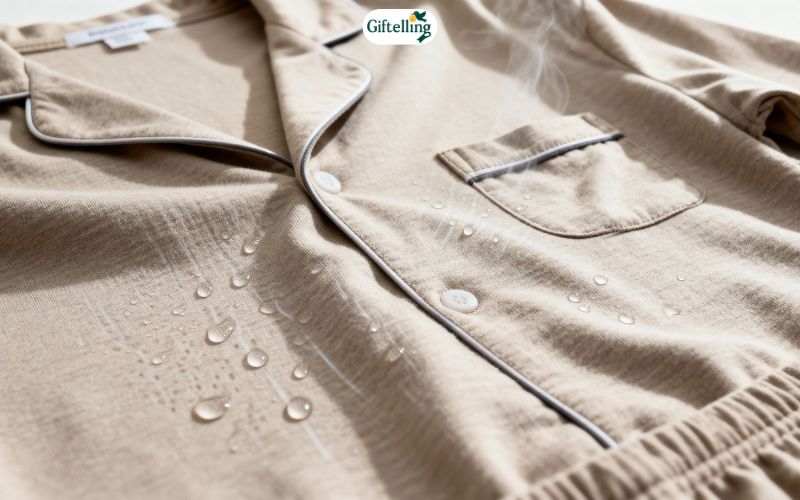
Breathable natural fibers allow sweat evaporation and prevent the moisture buildup that encourages bacterial and fungal growth. Synthetic materials that trap humidity against skin create environments where microorganisms thrive, potentially leading to rashes, acne, or infections. The benefits of pajamas extend beyond comfort to actual dermatological health when you choose appropriate materials.
Blood circulation benefits from properly fitted sleepwear that doesn’t constrict movement or create pressure points. Tight elastic waistbands or restrictive clothing can impede circulation during sleep, causing numbness, tingling, or interrupted rest. Quality pajamas provide freedom of movement while staying in place, supporting healthy blood flow throughout the night.
>>> Explore more: Best pajama fabrics explained: Cotton, silk & more
Immune system support through better sleep
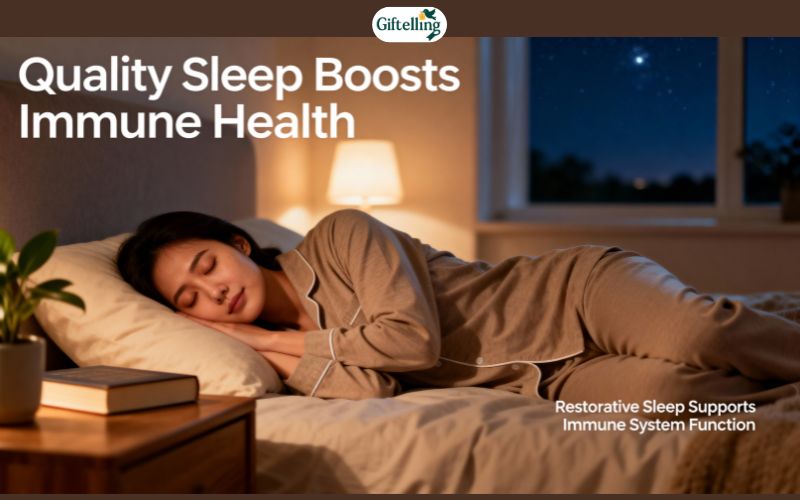
Quality sleep directly strengthens immune function, and comfortable pajamas contribute to achieving that restorative rest. Studies show that people who sleep seven to eight hours nightly have stronger immune responses than those getting insufficient or poor-quality sleep. By supporting uninterrupted sleep through proper temperature regulation and comfort, quality sleepwear indirectly bolsters your body’s defense systems.
Deep sleep stages trigger the release of cytokines, proteins crucial for fighting infection and inflammation. Anything that disrupts these deep sleep phases—including uncomfortable or temperature-inappropriate pajamas—compromises cytokine production. Investing in healthy sleepwear that promotes uninterrupted rest supports your immune system’s nightly restoration work.
Mental health and psychological benefits
Establishing consistent bedtime routines that include changing into quality pajamas signals your brain to transition into sleep mode. This psychological association between specific clothing and sleep helps regulate your circadian rhythm more effectively. The simple act of putting on comfortable sleepwear becomes a powerful cue that activates relaxation responses in your nervous system.
Sleep quality and mental health share bidirectional relationships—poor sleep worsens mental health, while mental health challenges disrupt sleep. By supporting better sleep through appropriate sleepwear, you create positive feedback loops that benefit emotional regulation, stress management, and overall psychological wellbeing. Quality rest reduces anxiety, improves mood stability, and enhances cognitive function.
The comfort of well-made pajamas also provides psychological reassurance and self-care affirmation. Choosing to invest in your sleep comfort demonstrates self-respect and prioritization of personal wellbeing. This mindset shift, while seemingly small, contributes to broader mental health by reinforcing that you deserve quality rest and care.
Stress reduction through comfort
Physical comfort directly influences stress hormone levels, with uncomfortable clothing potentially elevating cortisol during sleep. When your body experiences irritation, restriction, or temperature discomfort, it interprets these as mild stressors requiring response. Quality pajamas eliminate these unnecessary stressors, allowing cortisol to follow its natural nighttime decline pattern.
The tactile experience of soft, pleasant fabrics against skin activates sensory receptors that promote relaxation. This gentle stimulation can trigger parasympathetic nervous system activation, moving your body from fight-or-flight mode into rest-and-digest state. Premium sleepwear materials provide this soothing sensory input throughout the night, supporting sustained relaxation.

Temperature regulation and sleep architecture
Sleep architecture refers to the cyclical pattern of sleep stages including light sleep, deep sleep, and REM sleep that repeat throughout the night. Proper progression through these stages requires stable body temperature, as thermal fluctuations trigger arousal responses that fragment sleep cycles. Quality pajamas maintain thermal stability that allows uninterrupted cycling through essential sleep stages.
Deep sleep, also called slow-wave sleep, provides the most restorative rest for physical recovery and cognitive function. This stage occurs primarily during the first half of the night when body temperature reaches its lowest point. Sleepwear that overheats prevents reaching this temperature nadir, reducing time spent in deep sleep and diminishing sleep’s restorative power.
REM sleep, crucial for memory consolidation and emotional processing, occurs more frequently in the latter sleep cycles. Body temperature regulation becomes less efficient during REM as thermoregulatory mechanisms partially suspend. Breathable pajamas become even more important during these stages, as your body relies more heavily on passive cooling through fabric properties.
Managing night sweats and hot flashes
Moisture-wicking sleepwear proves essential for individuals experiencing night sweats from menopause, medications, or medical conditions. Traditional cotton pajamas absorb sweat but hold it against skin, creating damp discomfort that disrupts sleep. Advanced fabrics like bamboo or modal actively pull moisture away and disperse it for rapid evaporation, maintaining dry comfort.
Temperature-regulating technologies in premium sleepwear help stabilize the microclimate between fabric and skin. Phase-change materials, originally developed for NASA, absorb excess heat when you’re warm and release it when you cool down. While not necessary for everyone, these innovations provide significant relief for those struggling with temperature regulation issues.
Hygiene and cleanliness considerations
Dedicated sleepwear maintains better bedroom hygiene by preventing the transfer of outdoor dirt, bacteria, and pollutants into your bed. When you sleep in regular daytime clothes, you bring environmental contaminants directly into contact with bedding and pillows. This accumulation contributes to dust mite populations, allergies, and general bed hygiene issues over time.
Quality pajamas made from antimicrobial fabrics actively resist bacterial growth between washes. Materials like bamboo contain natural bio-agents that inhibit microorganism proliferation without chemical treatments. This property keeps sleepwear fresher longer and reduces the bacterial load in your sleeping environment, particularly beneficial for those with allergies or sensitive skin.
Establishing clear boundaries between day clothes and sleepwear also reinforces healthy routines. The physical act of changing clothes signals a transition point in your day, helping separate work or activity mode from rest mode. This ritualistic aspect of donning clean pajamas contributes to sleep hygiene beyond just physical cleanliness.
Skin health and fabric choice
Natural fiber pajamas reduce chemical exposure during the vulnerable period when skin undergoes repair and regeneration. Synthetic fabrics often contain or are treated with chemicals including formaldehyde resins, flame retardants, or antimicrobial agents that may irritate sensitive skin. Organic cotton and untreated natural fibers minimize this exposure, allowing skin to heal and regenerate without interference.
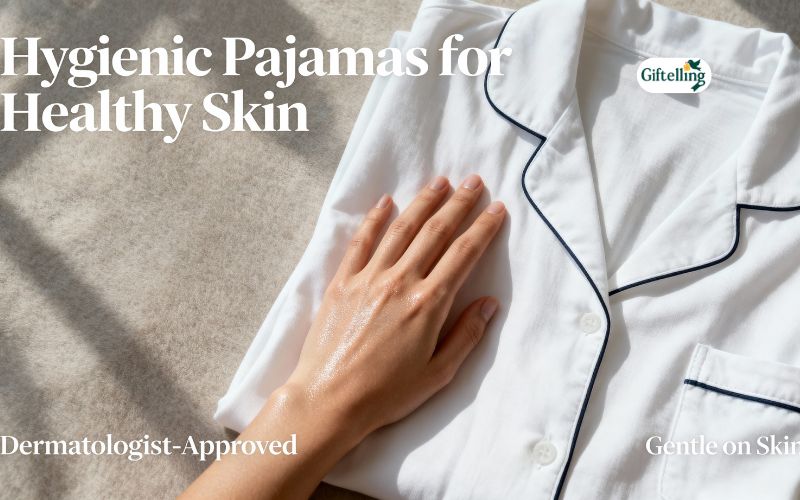
Rough or abrasive fabrics create micro-damage to skin through friction during sleep movements. This mechanical irritation can exacerbate conditions like keratosis pilaris, eczema, or general dryness. Smooth, soft fabrics like silk, modal, or high-quality cotton protect skin integrity while you sleep, particularly important for those with compromised skin barriers.
Long-term health impacts of sleep quality
Chronic poor sleep increases risk for serious health conditions including cardiovascular disease, diabetes, obesity, and cognitive decline. While sleepwear alone cannot prevent these conditions, supporting better sleep quality through appropriate clothing contributes to the overall sleep hygiene that protects long-term health. Every factor that improves sleep—including comfortable pajamas—accumulates to create meaningful health outcomes.
Cardiovascular health particularly depends on quality sleep. During deep sleep, blood pressure naturally decreases in what’s called nocturnal dipping. Insufficient deep sleep prevents this essential cardiovascular recovery period, contributing to hypertension over time. By promoting uninterrupted deep sleep through comfort and temperature regulation, quality pajamas play a small but real role in cardiovascular protection.
Metabolic health also connects intimately with sleep quality. Poor sleep disrupts hormones regulating hunger, satiety, and glucose metabolism, increasing diabetes and weight gain risk. The comprehensive approach to sleep optimization includes appropriate sleepwear as one element among many that collectively support metabolic health through better rest.
Cognitive function and productivity benefits
Quality sleep in comfortable pajamas enhances daytime cognitive performance including memory, focus, problem-solving, and creativity. Sleep consolidates memories and processes information learned during waking hours, with different sleep stages contributing to different cognitive functions. Anything that improves sleep quality—including appropriate sleepwear—thereby improves next-day mental performance.
Productivity losses from poor sleep cost businesses billions annually through decreased efficiency, increased errors, and more accidents. On an individual level, better sleep translates to sharper thinking, faster reaction times, and improved decision-making. Investing in comfortable sleepwear becomes an investment in your professional performance and daily effectiveness.

Quality indicators in sleepwear construction
Well-constructed pajamas feature flat-seam construction that eliminates irritating ridges against skin during hours of contact. Traditional raised seams create pressure points and friction areas that can disturb sleep through mild but persistent discomfort. Flat or French seams lie completely smooth against skin, invisible to sensation even during sleep movements.
Tagless designs or easily removable labels prevent the neck and back irritation that tags commonly cause. Many people unconsciously scratch at or adjust tags throughout the night, creating micro-arousals that fragment sleep. Quality manufacturers either print sizing information directly on fabric or use dissolvable tags that wash away completely.
Elastic quality determines long-term comfort and fit retention. Premium pajamas use wide, soft elastic that distributes pressure evenly without digging into skin. Cheap elastic loses resilience quickly, becoming either too tight or too loose within months. Quality elastic maintains gentle, consistent hold through years of wear and washing.
Fabric weight and breathability balance
The ideal pajama fabric weight balances coverage and modesty with breathability and temperature management. Too lightweight, and fabric may feel flimsy or provide insufficient coverage. Too heavy, and sleepwear traps heat unnecessarily. Quality manufacturers carefully engineer fabric weight for the intended season and climate, optimizing comfort without compromise.
Thread count matters for woven cotton but becomes meaningless for knit fabrics. Understanding which quality metrics apply to which fabric types helps you evaluate options accurately. For cotton, 200-400 thread count provides excellent quality. For knits like jersey or modal, consider fabric weight and hand feel instead of thread count claims.

Economic value of investing in quality
Quality pajamas cost more initially but provide superior value through longevity, maintained comfort, and health benefits. Cheap sleepwear loses softness, develops pilling, and degrades within months of regular use. Premium pajamas maintain their properties through years of wear, ultimately costing less per wearing than frequent replacements of inferior products.
The health cost savings from better sleep can far exceed sleepwear investment. Poor sleep contributes to medical expenses through increased illness, necessary medications, and chronic condition development. While one cannot directly quantify pajamas’ specific contribution to sleep quality, they form part of comprehensive sleep hygiene that protects health and reduces healthcare costs over time.
Productivity gains from better rest also represent economic value. Improved focus, efficiency, and cognitive performance translate to career advancement opportunities and better work output. Considering sleepwear as an investment in human capital rather than mere clothing reveals its true economic worth beyond the purchase price.
Cost per wear analysis
Dividing pajama cost by expected number of wears reveals true value more accurately than purchase price alone. A $60 pajama set worn 500 times costs 12 cents per wear. A $20 set worn 50 times before becoming uncomfortable costs 40 cents per wear. This calculation demonstrates how quality actually costs less when considered over usable lifespan.
Factor in washing frequency and care requirements too. Delicate fabrics requiring special washing or dry cleaning add hidden costs that budget options avoid. However, quality materials that improve with washing and require no special care offer convenience value beyond basic cost calculations.
Environmental and ethical considerations
Quality sleepwear from sustainable materials and ethical manufacturers reduces environmental impact while supporting fair labor practices. Fast fashion pajamas contribute to textile waste through rapid disposal and replacement cycles. Durable, well-made sleepwear worn for years minimizes resource consumption and landfill contribution, aligning personal choices with environmental responsibility.
Organic cotton production eliminates pesticide use that harms ecosystems and agricultural workers. While organic pajamas cost more, they support farming practices that regenerate soil health and protect water quality. Choosing organic represents investment in environmental sustainability beyond personal sleep comfort.
Fair trade and ethically manufactured sleepwear ensures workers receive fair wages and safe conditions. The textile industry has troubling labor practice history, and conscious purchasing supports better treatment of workers throughout supply chains. Healthy sleepwear extends beyond personal health to encompass social responsibility and ethical consumption.
Sustainable fabric innovations
New sustainable materials like Tencel lyocell and recycled polyester offer environmental benefits while maintaining comfort standards. Tencel production uses closed-loop systems that recycle 99% of solvents, creating minimal environmental impact. Recycled polyester diverts plastic bottles from landfills, giving waste materials new purpose in functional garments.
Plant-based alternatives to traditional fabrics continue emerging, including innovative materials from agricultural waste. Pineapple leaf fiber, banana fiber, and other agricultural byproducts create viable textile alternatives. While not yet mainstream in sleepwear, these innovations point toward more sustainable future options for conscientious consumers.
Special considerations for different life stages
Children’s sleepwear requires flame-resistant properties mandated by safety regulations, making fabric choice particularly important. Parents should choose either naturally flame-resistant fabrics like wool or tightly fitted cotton pajamas that meet safety standards without chemical treatments. Quality children’s pajamas balance safety requirements with comfort needs for growing bodies.
Pregnancy and postpartum periods demand specialized sleepwear accommodating changing bodies and nursing needs. Stretchy, soft fabrics with room for growth prevent restriction while maintaining comfort. Nursing-friendly designs with discreet access support nighttime feeding without fully disrobing in cool environments, making middle-of-the-night care easier.
Elderly individuals often benefit from adaptive sleepwear with easy closures and gentle fabrics suitable for sensitive, aging skin. As mobility decreases and skin becomes more fragile, sleepwear construction details matter increasingly. Features like magnetic closures, open backs, or wide leg openings facilitate independent dressing while maintaining dignity and comfort.
Medical condition considerations
Specific health conditions may require specialized sleepwear features for comfort and therapeutic benefit. Individuals with arthritis need easy-to-manipulate closures like large buttons, zippers, or snaps instead of small buttons. Those with circulation issues benefit from non-binding elastic and fabrics that don’t constrict blood flow during rest.
Skin conditions like psoriasis or severe eczema require seamless, ultra-soft fabrics that minimize irritation. Some medical-grade sleepwear incorporates moisture barriers or antimicrobial properties beneficial for specific conditions. Consulting healthcare providers about therapeutic sleepwear options can significantly improve comfort for those managing chronic conditions.

Creating optimal sleep environment
Quality pajamas work synergistically with other sleep environment factors including room temperature, bedding, and light exposure. Optimal bedroom temperature for most people ranges between 60-67°F, and pajama choice should complement this range rather than compensate for poor room temperature. Lightweight breathable sleepwear works best in properly cooled rooms.
Bedding quality matters as much as sleepwear for comprehensive sleep optimization. High-quality sheets, pillowcases, and blankets made from breathable materials enhance the benefits of quality pajamas. The complete sleep surface—what you wear and what touches you—should work together to maintain ideal temperature and comfort throughout the night.
Light exposure affects sleep hormone production, and some sleepwear designers incorporate light-blocking eye masks or hoods. While not essential for everyone, these features benefit light-sensitive sleepers or those in environments with unavoidable light pollution. Comprehensive sleep optimization considers all sensory inputs affecting rest quality.
>>> See more: What to wear to bed: 7 pajama set tips for better sleep
Frequently asked questions
Do pajamas really improve sleep quality?
Yes, appropriate pajamas can significantly improve sleep quality by regulating body temperature, reducing physical discomfort, and supporting healthy sleep hygiene routines. Quality sleepwear made from breathable fabrics helps maintain the optimal temperature range for sleep, prevents night sweats, and eliminates irritation that causes micro-arousals. While pajamas alone won’t solve severe sleep disorders, they contribute meaningfully to overall sleep optimization.
Is it healthier to sleep with or without pajamas?
Both options can be healthy depending on personal preference, room temperature, and hygiene practices. Sleeping without pajamas may benefit very hot sleepers in warm environments, while quality pajamas offer temperature regulation, hygiene benefits by keeping body oils off bedding, and modesty for shared sleeping spaces. The healthiest choice maintains comfortable body temperature throughout the night.
What material is healthiest for pajamas?
Natural, breathable materials like organic cotton, bamboo, silk, and Tencel are healthiest for pajamas due to superior temperature regulation and skin compatibility. These fabrics allow air circulation, wick moisture effectively, and rarely cause irritation or allergic reactions. Organic options eliminate chemical exposure from pesticides or harsh processing, further supporting skin and overall health during sleep.
How often should you replace your pajamas?
Replace pajamas every one to two years or when they show significant wear including thinning fabric, stretched elastic, lost softness, or persistent odors despite washing. Quality sleepwear lasts longer than budget options, with premium natural fiber pajamas often remaining comfortable for several years. Replace sooner if pajamas no longer provide adequate temperature regulation or become uncomfortable against skin.
Can wearing pajamas help you sleep faster?
Yes, wearing dedicated pajamas can help you fall asleep faster by creating a psychological association between specific clothing and sleep time. This conditioning effect signals your brain to begin relaxation processes when you change into sleepwear. Combined with proper fabric choice that maintains comfortable temperature, quality pajamas support faster sleep onset through both psychological and physiological mechanisms.
Implementing better sleepwear habits
Understanding the benefits of pajamas for health provides motivation, but implementation requires intentional action. Start by evaluating your current sleepwear honestly—does it support or hinder your sleep quality? Consider temperature appropriateness, fabric breathability, fit comfort, and overall condition. Identifying deficiencies guides targeted improvements.
Build a practical sleepwear wardrobe with seasonal appropriate options. At minimum, own three to four quality pajama sets allowing regular rotation and washing without wearing the same pair consecutively. Include lighter options for warm weather and heavier choices for cold months, ensuring year-round comfort regardless of temperature fluctuations.
Establish consistent habits around sleepwear care and replacement. Wash pajamas regularly according to fabric requirements, typically after three to four wears. Inspect sleepwear periodically for signs of wear and replace proactively before comfort deteriorates significantly. Treating quality sleepwear as essential health investment rather than disposable clothing shifts your entire approach to sleep optimization.
Transform your health through better sleep
The profound connection between sleepwear quality and overall health extends far beyond simple comfort preferences. Quality pajamas support your body’s natural temperature regulation, protect skin health, reduce stress, and promote the deep, restorative sleep essential for physical and mental wellbeing. Every night spent in appropriate sleepwear contributes to better health outcomes that accumulate over months and years.
Sleep represents one-third of your life and the foundation for how you experience the other two-thirds. Investing in factors that improve sleep quality—including appropriate, comfortable sleepwear—pays dividends through enhanced energy, sharper thinking, better mood, and reduced disease risk. The modest investment in quality pajamas delivers returns far exceeding the initial cost through improved daily function and long-term health.
Ready to experience the health benefits that quality sleepwear provides? Discover Giftelling’s carefully curated collection of premium pajamas designed with both comfort and health in mind. From breathable natural fibers to temperature-regulating innovations, find sleepwear that supports your body’s need for restorative rest. Visit Giftelling today to invest in pajamas that will help you sleep better, feel healthier, and wake up ready to live your best life every single day.